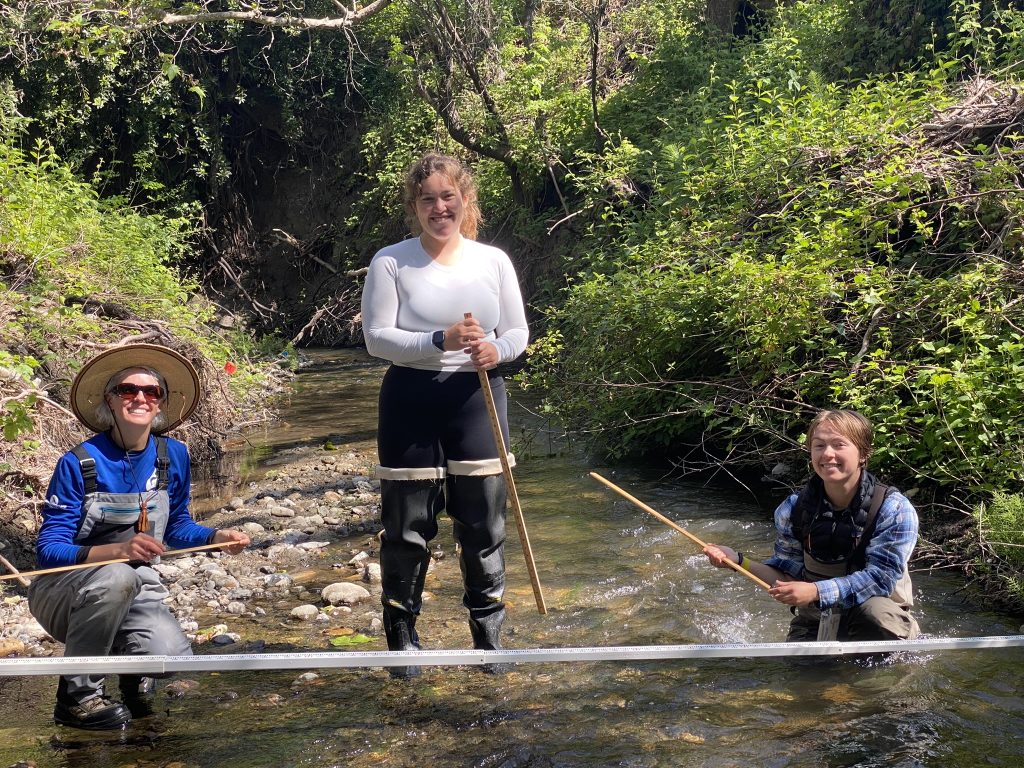
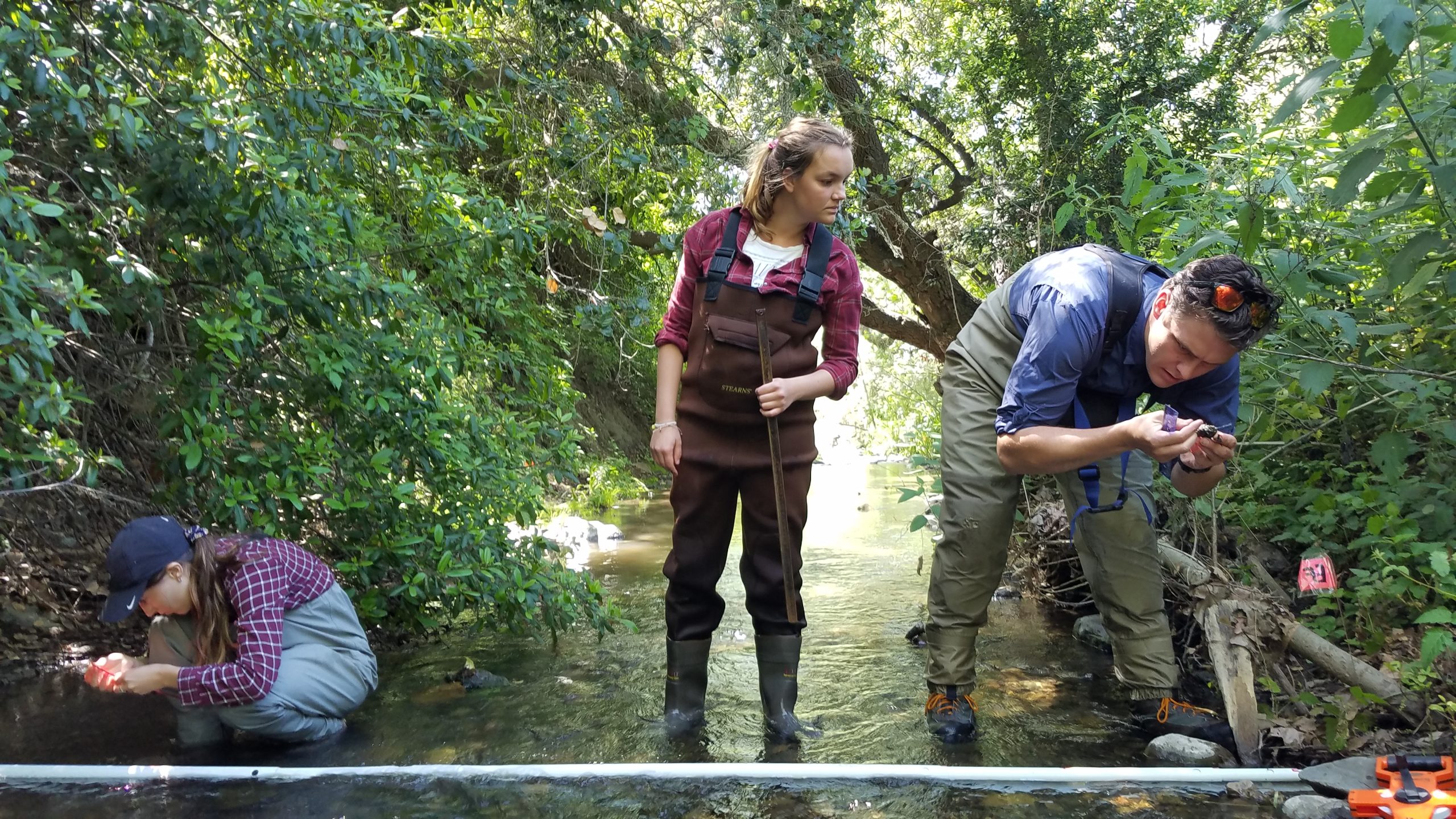
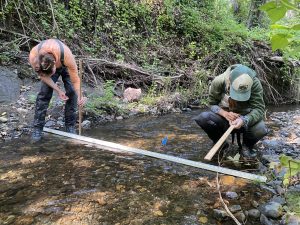
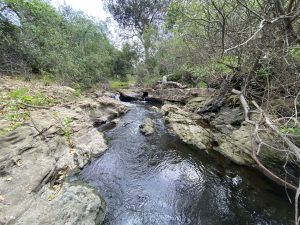
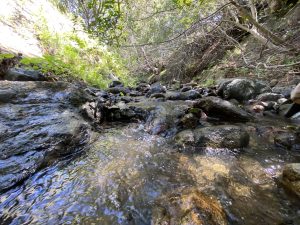
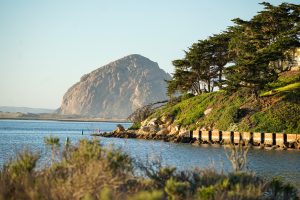
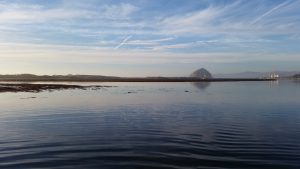
Each spring, staff and volunteers head out to local creeks to conduct bioassessment monitoring, a tool for evaluating creek health. During each survey we collect nearly 1,500 measurements that help us determine if the habitat can support sensitive aquatic species, including the steelhead which are native to our creeks.
One critical aspect of bioassessment monitoring involves collecting benthic macroinvertebrates (or “BMIs”), which are bottom-dwelling insects that are visible to the naked eye. The types of BMIs found in a creek tell you something about water quality. Some species are very sensitive to pollution, so their presence means the water quality is likely good. Others are very tolerant of pollution, which could indicate poor water quality.
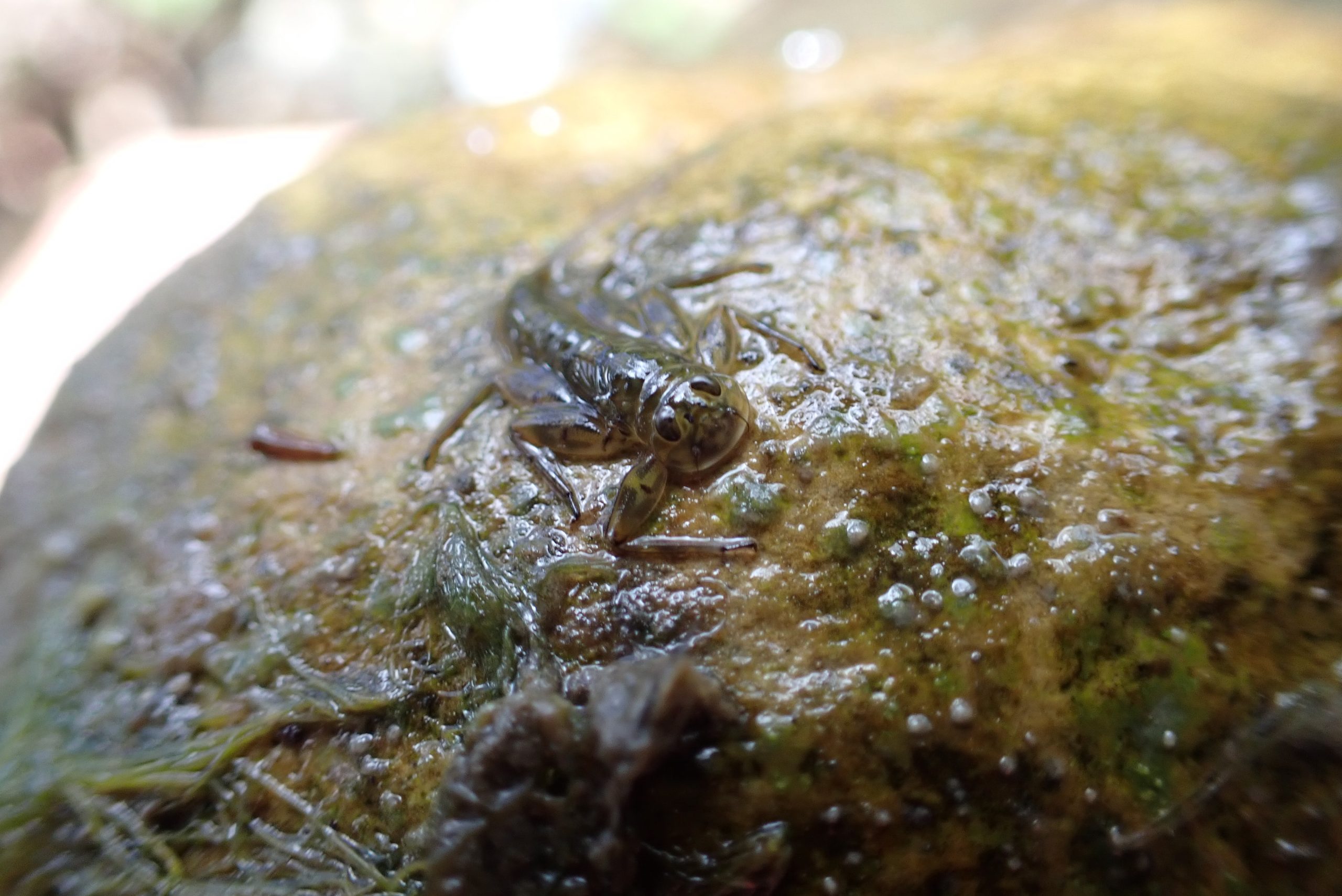
The Estuary Program has conducted bioassessment in the Morro Bay watershed since 2002. This data helps us understand creek health and how conditions are changing over time. We use standardized protocols from the California Water Board’s Surface Water Ambient Monitoring Program (SWAMP). We ensure that data is widely available by posting it to the Water Board’s California Environmental Data Exchange Network (CEDEN).
For more information, please visit:
The Morro Bay watershed is home to a number of sensitive species, including Central Coast steelhead and the California red-legged frog. Freshwater creeks provide critical habitat for these sensitive species, as well as a diverse abundance of aquatic life. To sustain this complex ecosystem, the water in our creeks must be clean, cool, and well-oxygenated.
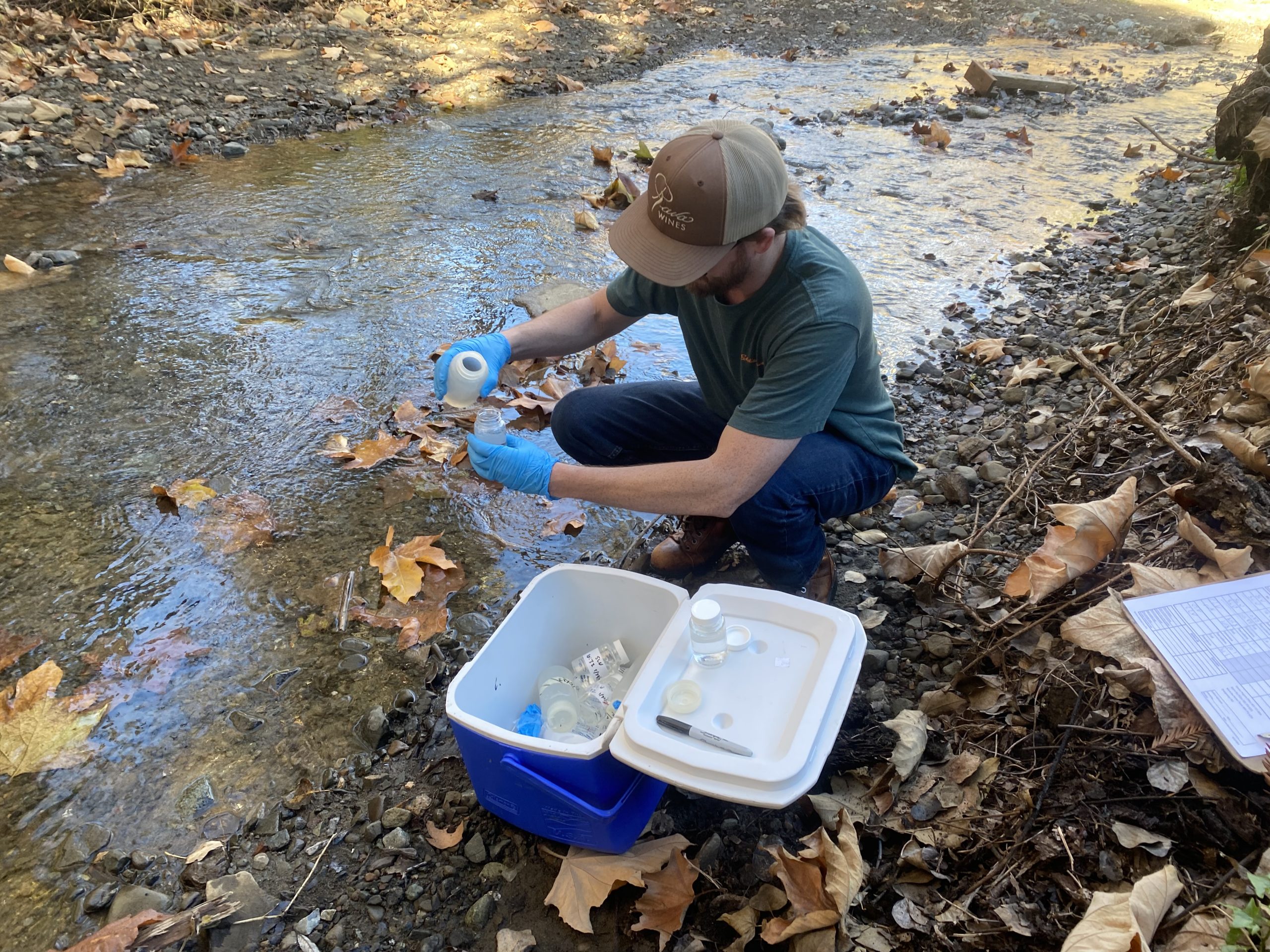
The Estuary Program has a dedicated group of community volunteers who collect creek water quality data each month. These volunteers collect readings of metrics like water temperature, dissolved oxygen concentration, water clarity, and stream flow. The resulting data help us track long-term trends throughout the watershed.
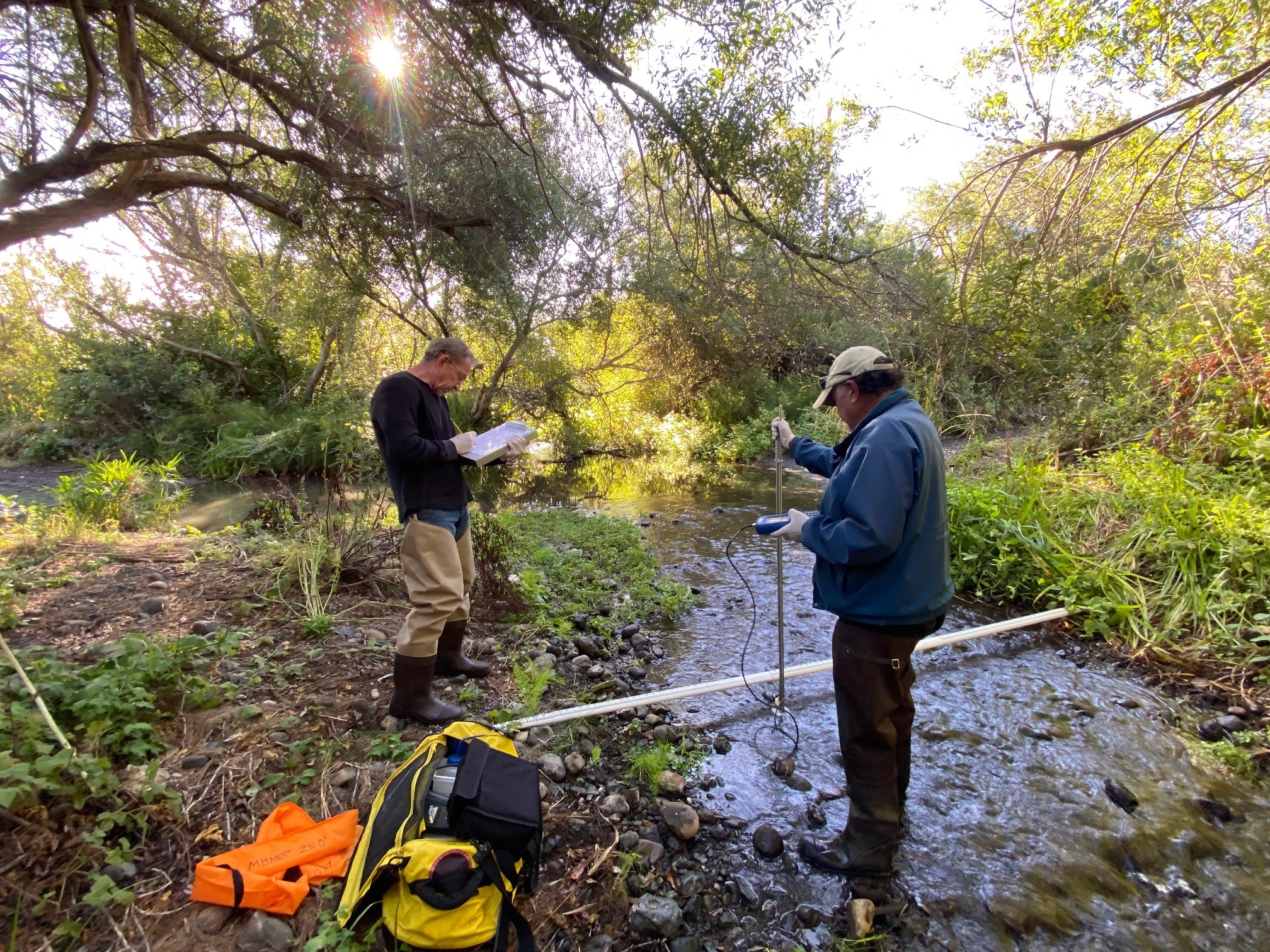
Estuary Program staff also deploy a network of continuous data loggers throughout the watershed. We program these devices to collect readings at regular intervals and then place them in the creeks. The resulting data allows us to better understand how water quality changes throughout a day and how conditions differ with the seasons. To read more about our continuous data loggers, you can visit this blog post.
For more information, please visit:
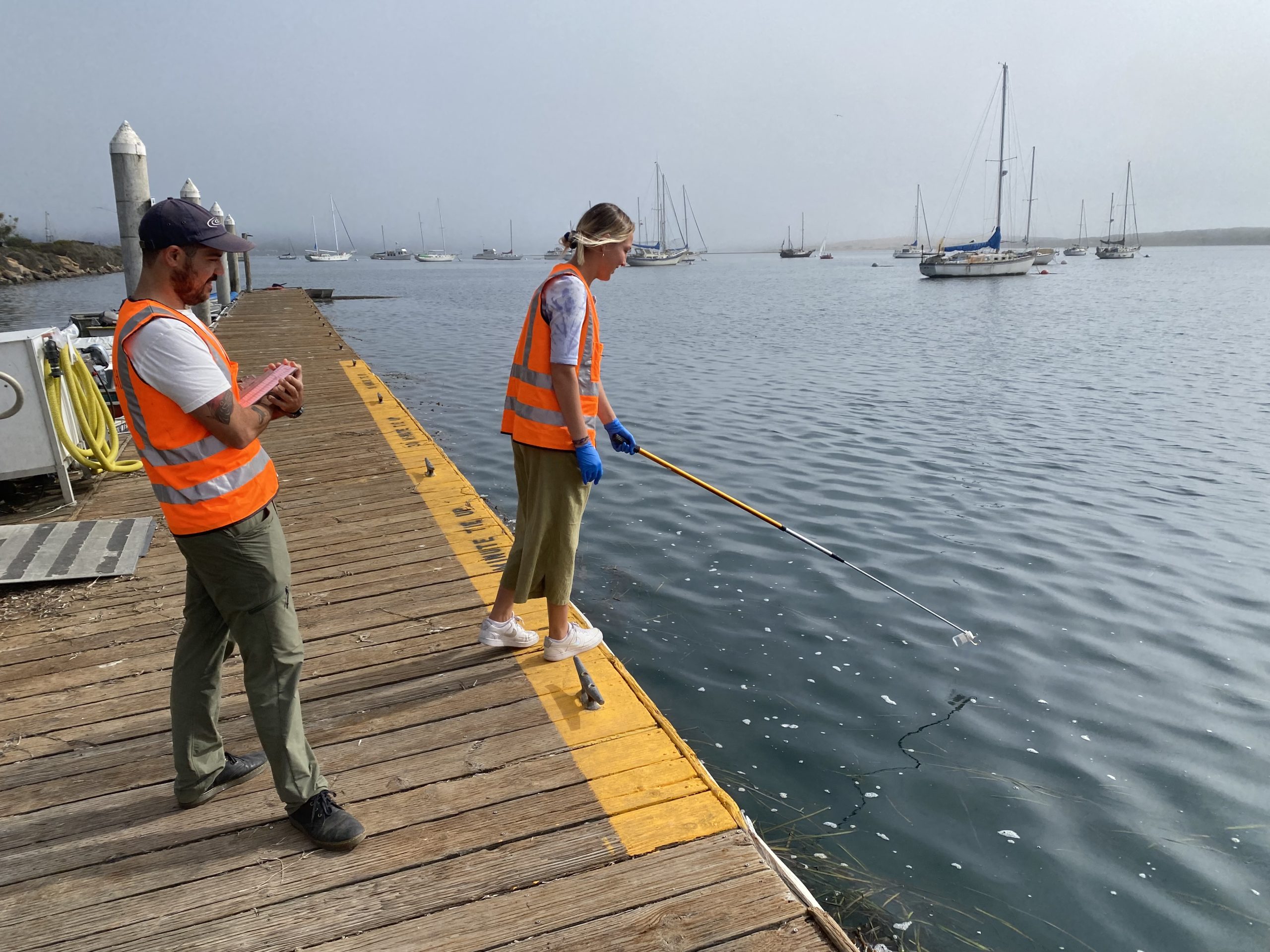
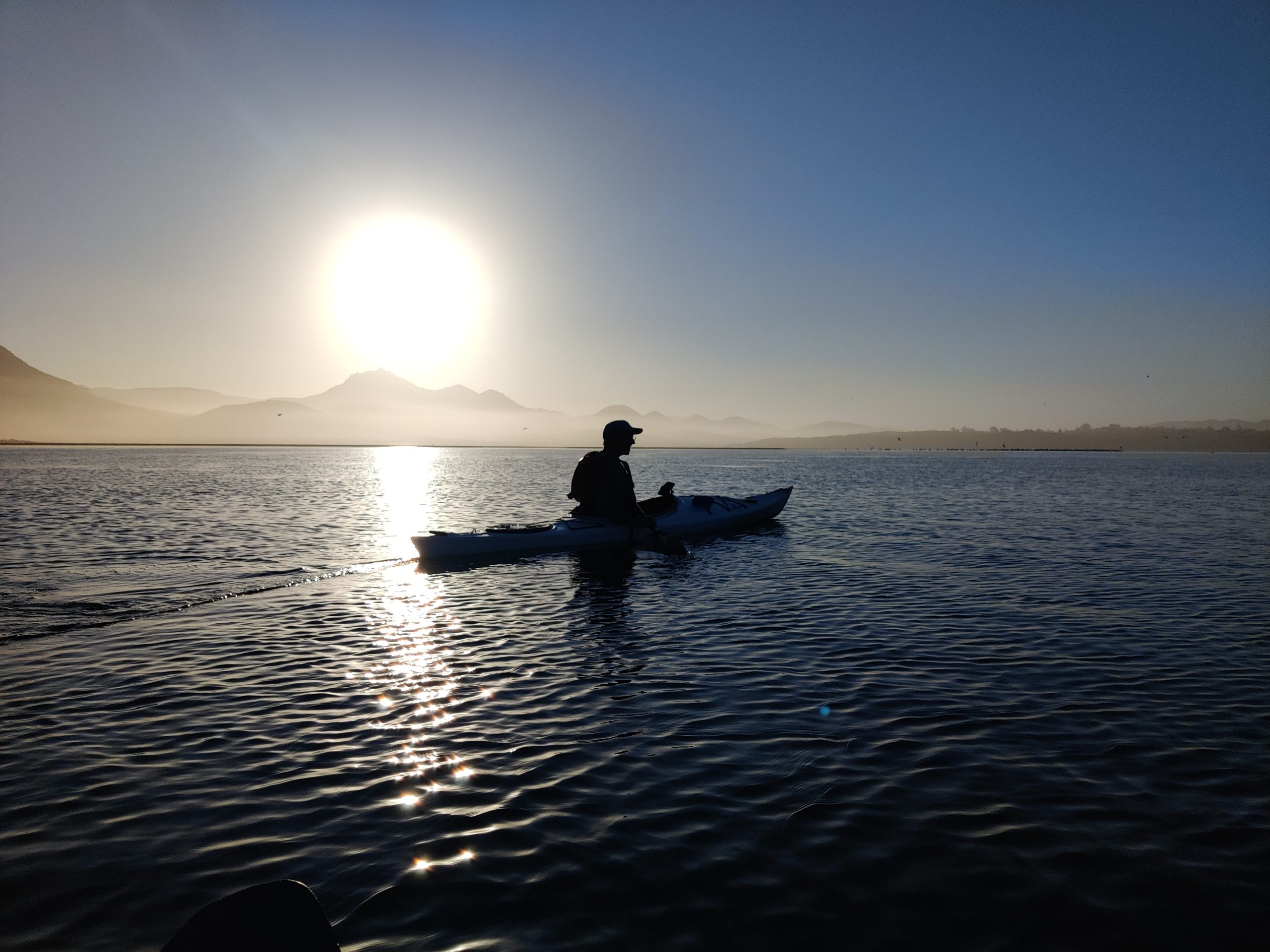
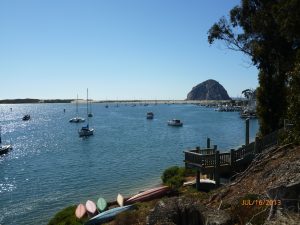
Morro Bay attracts visitors and locals alike, offering ample opportunities for recreation including sailing, swimming, fishing, birding, and paddling. In order for people to safely recreate, the waters must be free of pathogens like bacteria and viruses. Pathogens can come from sources such as stormwater runoff, pet waste, agricultural operations, marine wildlife, or sewage spills from treatment plants or waste-holding tanks on boats.
To assess safe swimming conditions in the bay, Estuary Program volunteers collect water samples from eight bay shoreline sites each month. The volunteers then analyze the samples at a laboratory to determine if the water is safe for recreational contact. This monitoring began in 2005, and thanks to countless hours from dedicated volunteers, has resulted in a long-running dataset that tracks the safety of swimming conditions in the bay.
For more information on safe swimming, please visit: