From classrooms and field sites to creek banks and community events, 2025 was a year of learning, collaboration, and action across the Morro Bay watershed. Our staff would like to share highlights from across our program areas and extend our sincere thanks for your continued support. Here’s what we accomplished together.
Monitoring
Our monitoring program provides data that guides restoration, informs management decisions, and track the long-term health of Morro Bay and its tributaries. In 2025, our monitoring staff and volunteer team conducted:
- 339 creek water quality monitoring trips
- 206 creek and bay bacteria monitoring trips
- 82 bay water quality “Dawn Patrol” trips
- 34 phytoplankton monitoring trips
- 31 recreational use monitoring trips

Staff and volunteers also supported monitoring efforts for bay macroalgae, eelgrass health, bioassessment, creek water toxicity, and bay fish eDNA analysis. Some highlights from the year include:
- Observing encouraging signs of recovery at a site on Upper Los Osos Creek following the damaging 2023 storms. While recovery varied across the watershed, the bioassessment results for many sites showed improvement just one year later.
- Tracking of our twenty-year-long bay bacteria data set shows a strong downward trend in bacteria levels at Baywood Pier and a modest decline at Pasadena Point. Lower bacteria levels mean cleaner waters and safer recreation.
- Continuing long-term monitoring datasets that help track trends, assess storm impacts, and inform science-based watershed management decisions.
Education and Outreach
In 2025, we connected students, educators, and community members to Morro Bay through hands-on, place-based learning experiences and carefully curated outreach publications and events. Here are some highlights:
- Educator Workshops: In 2025, we hosted our third annual Educator Workshop Series with Cal Poly, Creek Lands Conservation, and the Southwest Marine Educators Association. Twenty-two educators from across San Luis Obispo County—ranging from kindergarten teachers to college professors—participated in three days of training in hands-on, place-based learning.
- Youth Programs: We provided environmental education at local summer camps including Morro Bay Junior Guards, Creek Lands Conservation CCYES Camp, and the Chumash Heritage & Marine Science Camp.
- Student Field Trips: We welcomed 700+ students to Morro Bay for watershed field trips and memorable learning experiences. While many were local, some students traveled from as far as Lake Tahoe and Los Angeles. For some students, it was their first time seeing the ocean.
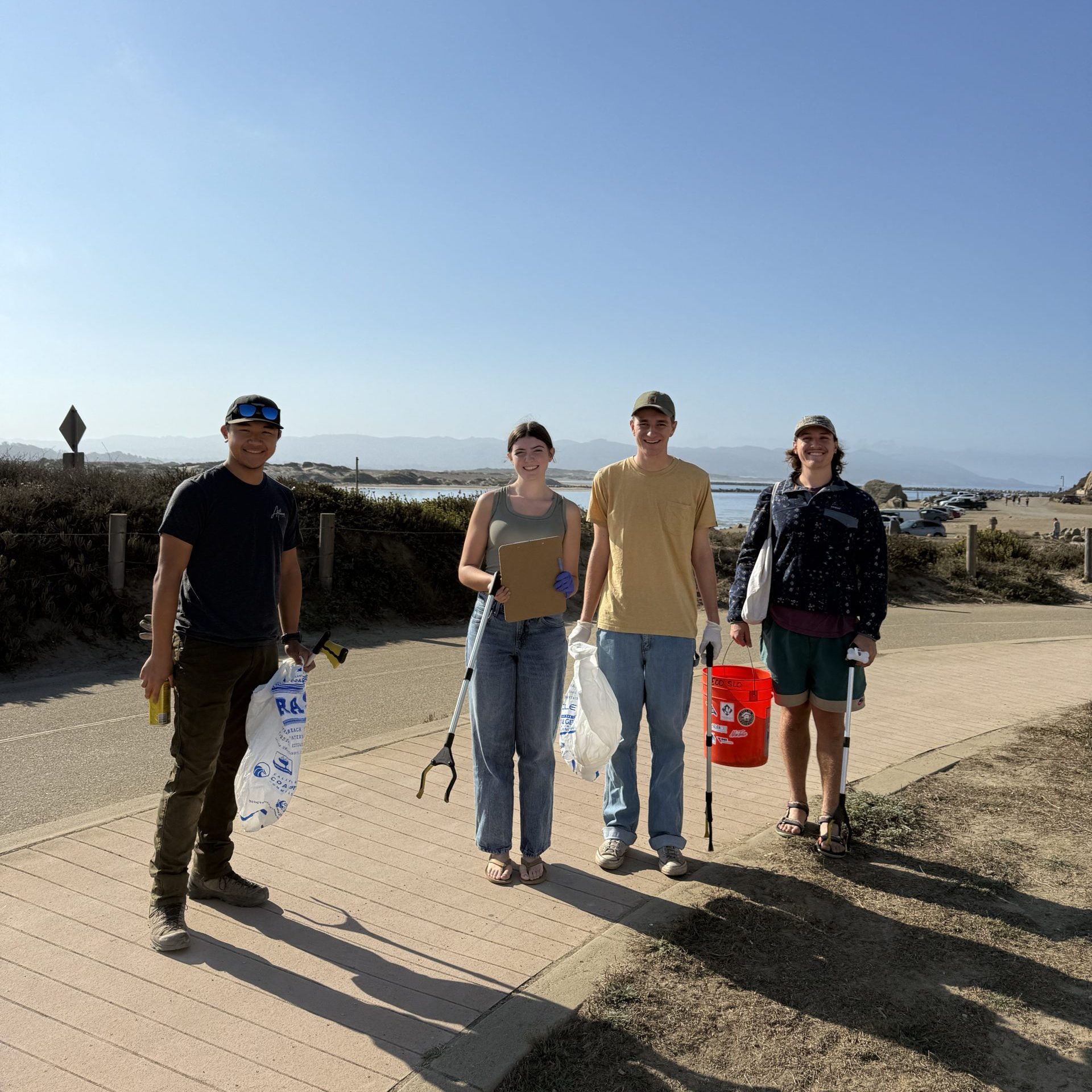
- Cleanups: 186 students participated in cleanups around Morro Bay, removing 60+ pounds of trash from the watershed.
- Community Outreach: In 2025, we hosted or took part in 24+ community events, such as our Science on Tap Series. Content across our digital outreach materials got over 228,500 views, and we welcomed nearly 1,000 new followers and blog subscribers to the Estuary Program family.
Restoration
Our restoration program supports projects that improve ecosystem function, health, and resilience of the Morro Bay estuary and watershed. This year was a big year for managing invasive species in the watershed, and some metrics include:
- Iceplant Management: Eradicating 20 acres of invasive iceplant in the estuary to support native plant species and dune health. As a result, , we have seen an average increase of four native plant species in our monitoring locations.
- Salt Marsh Protection: Removing 400 European sea lavender plants to restore tidal marsh habitat with the help of 12 volunteers, State Park partners, and Watershed Steward Program corpsmembers.
- Invasive Plant Management in the Creeks: Identifying and starting management with partners on priority invasive species, like giant reed, in the Chorro Creek watershed.
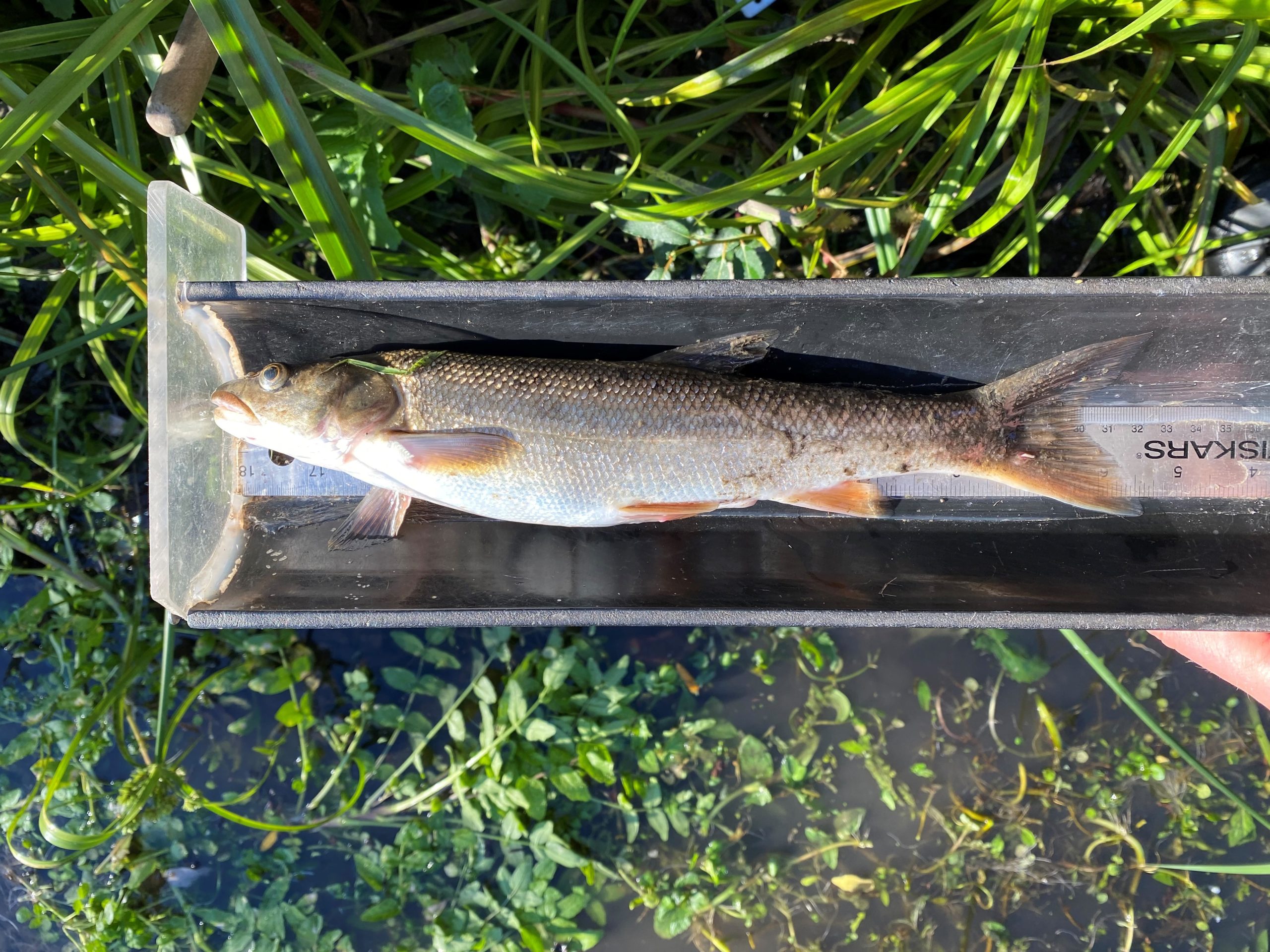
- Steelhead Protection: Removing more than 400 invasive predatory pikeminnow from Chorro Creek to support native species and ecosystem health.
Additional highlights include:
- Installing one of the first low-tech process-based restoration (PBR) techniques projects on the Central Coast! In early 2025, we planned, designed, and permitted habitat improvements along Walters Creek using hand-built structures made of natural materials to mimic processes such as water retention and sediment capture. In September, more than forty structures were installed with support from the California Conservation Corps, Forestry Corps, and other partners.
- Collaborating with partners at U.S. Geological Survey, San Luis Obispo Council of Governments, and Coastal San Luis Resource Conservation District on sea level rise vulnerability analyses and planning to help improve resilience of habitats and our coastal communities.
- Publishing our Habitat Protection and Restoration Strategy to guide future conservation and habitat management efforts.
- Completing preliminary stormwater planning at Camp San Luis Obispo to identify future retrofit opportunities that slow, filter, and infiltrate runoff before it reaches Chorro Creek and Morro Bay.
Community Support
Our work is made possible by the people who care for and show up for Morro Bay. This year, the metrics on your support and generosity are nothing short of inspiring. In 2025:
- Volunteers collectively dedicated more than 2,200 hours of service in support of our monitoring, restoration, education, and outreach programs.
- Over 2,050 people attended Estuary Program happenings or visited our booth at tabling events.
- Supporters donated over $25,000 to our year-end fundraiser, including contributions from more than 20 first-time donors. We are deeply grateful for this generosity and for the trust you place in our work.
- Research partnerships with Cuesta College and Cal Poly faculty and students strengthened our understanding of our dynamic bay.
- Our nonprofit all-volunteer board, the Bay Foundation of Morro Bay, provided the guidance and oversight that supports the Estuary Program’s mission.
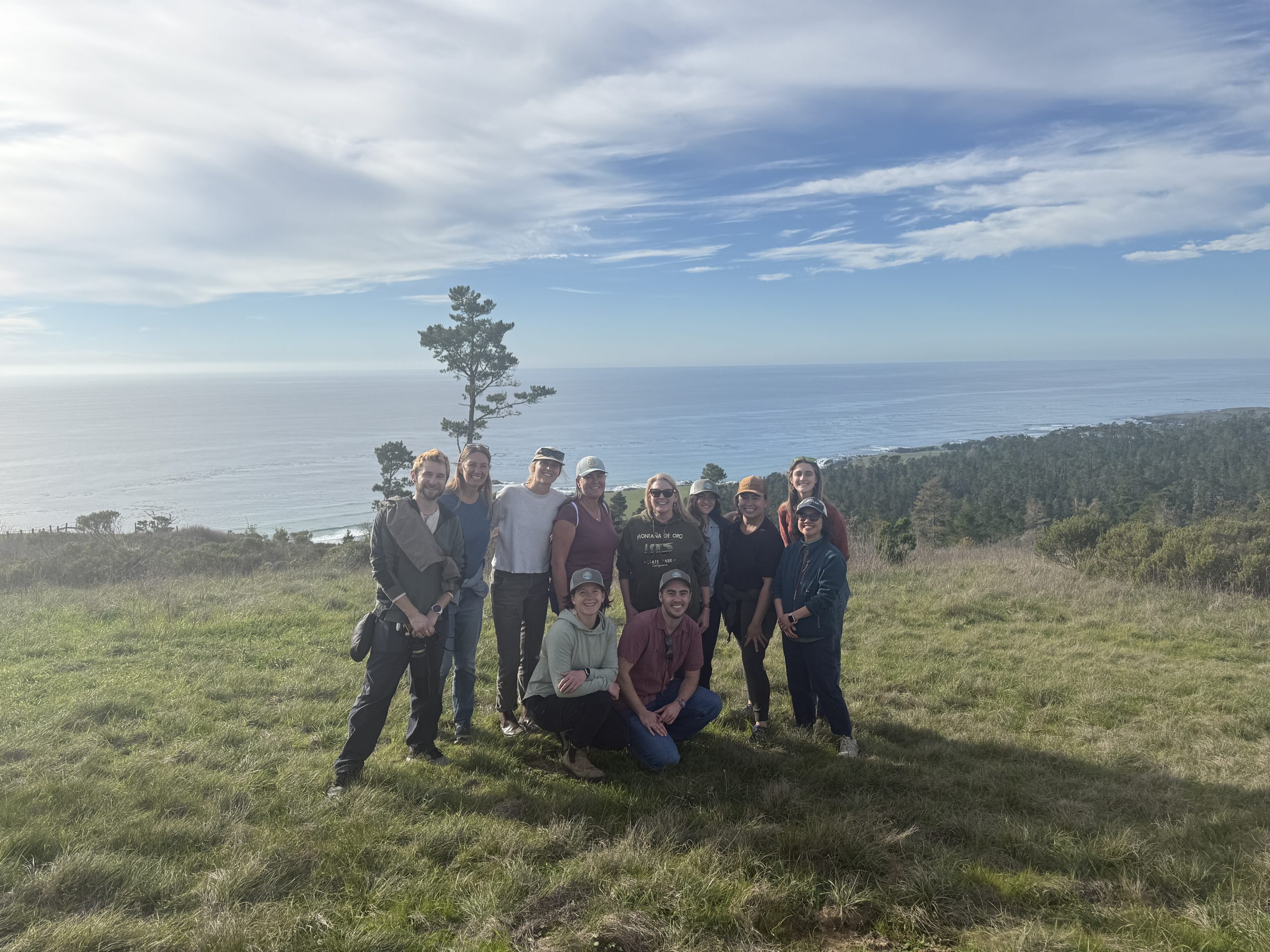
We could not be prouder of the program’s accomplishments in 2025, and it would not have been possible without the support of our many partners and volunteers. Collaboration is a core value of our organization, and our work relies on many nonprofits, agencies, landowners, municipalities, volunteers, and the Morro Bay watershed community. It is your stewardship that helps achieve the goal of protecting and restoring Morro Bay. We thank you for all of the ways, big and small, that you’ve contributed to such an impactful year.