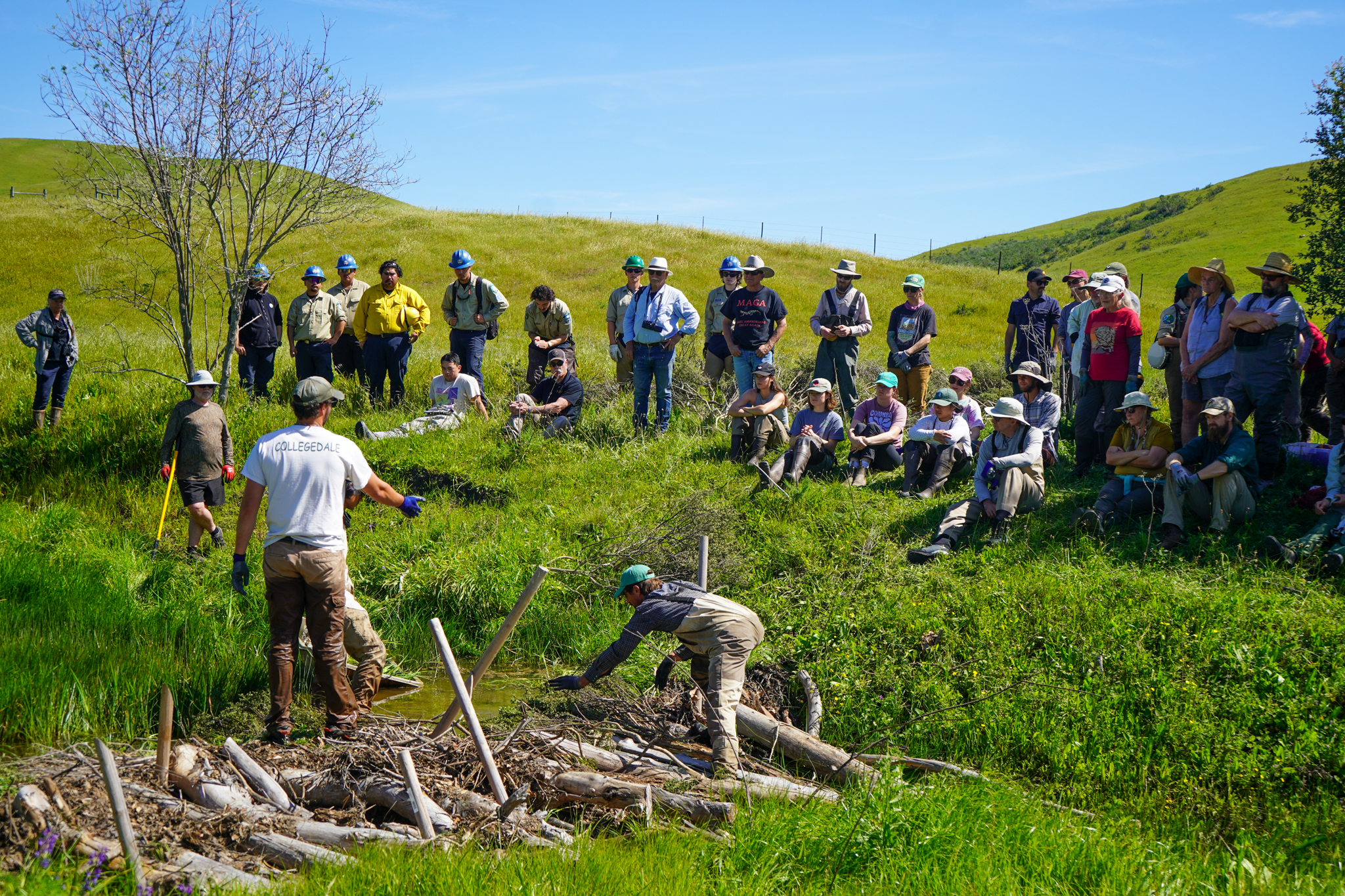
The Estuary Program’s Community Projects are efforts developed in collaboration with partners to support our goals of protecting and restoring Morro Bay. Recently, the Estuary Program partnered with the San Luis Obispo Beaver Brigade (SLOBB) to host a day-long interactive workshop to educate agencies, local non–profits, landowners, and community members about low-tech process-based restoration on the Central Coast.
The workshop included presentations on restoration techniques and benefits, a guided tour of an active restoration site on Walters Creek, and hands-on building of beaver dam analog structures.
What is Process-based Restoration?
Process-based restoration (PBR) is a holistic approach to restoring degraded watersheds. It aims to re-establish processes such as sediment transport, carbon sequestration, nutrient cycling, and fire resiliency. Rather than relying solely on heavy construction, low-tech PBR restores and enhances natural systems so rivers and streams can recover naturally over time. Practitioners use low-risk approaches that minimize the use of fossil fuels.
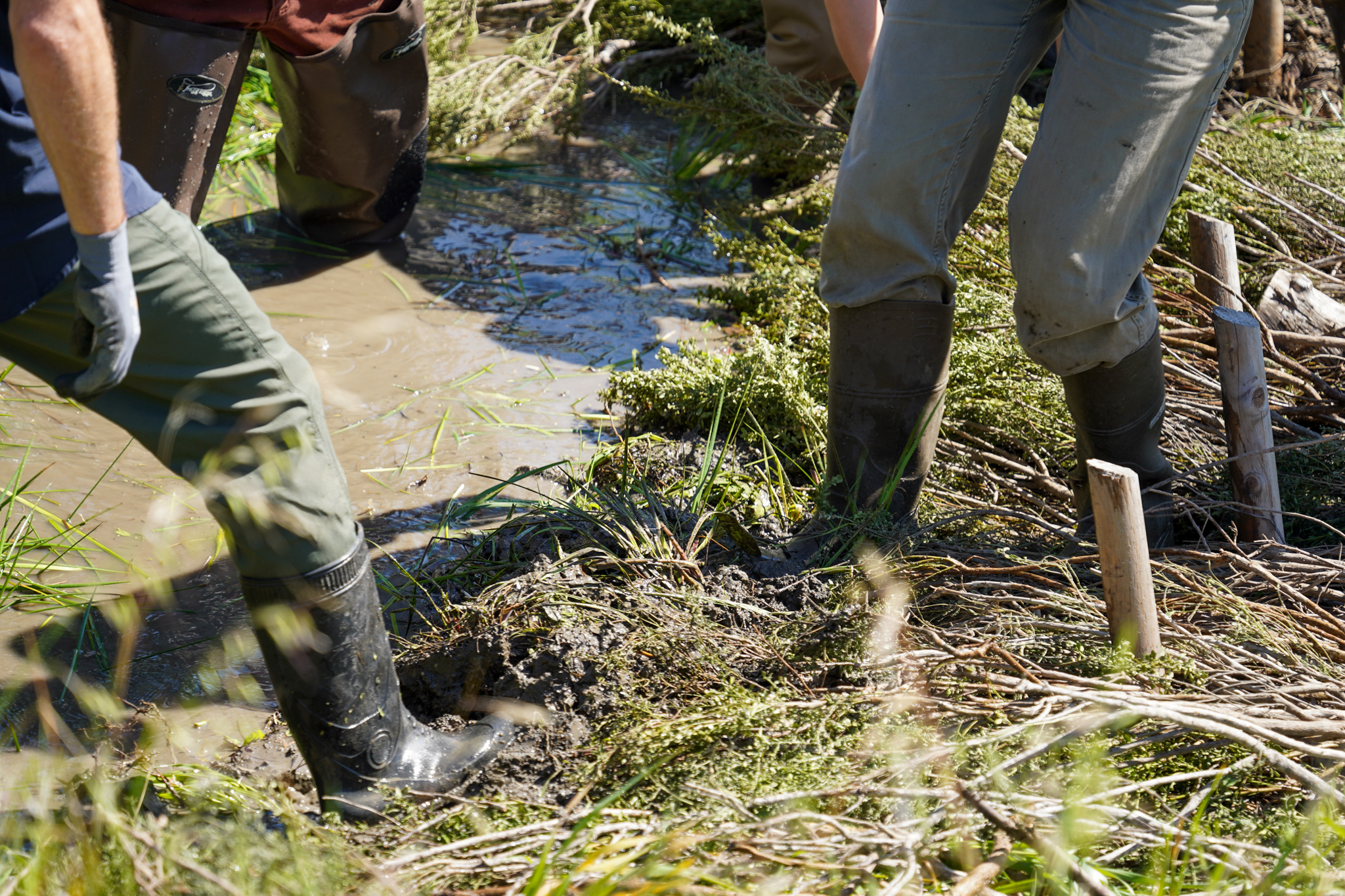
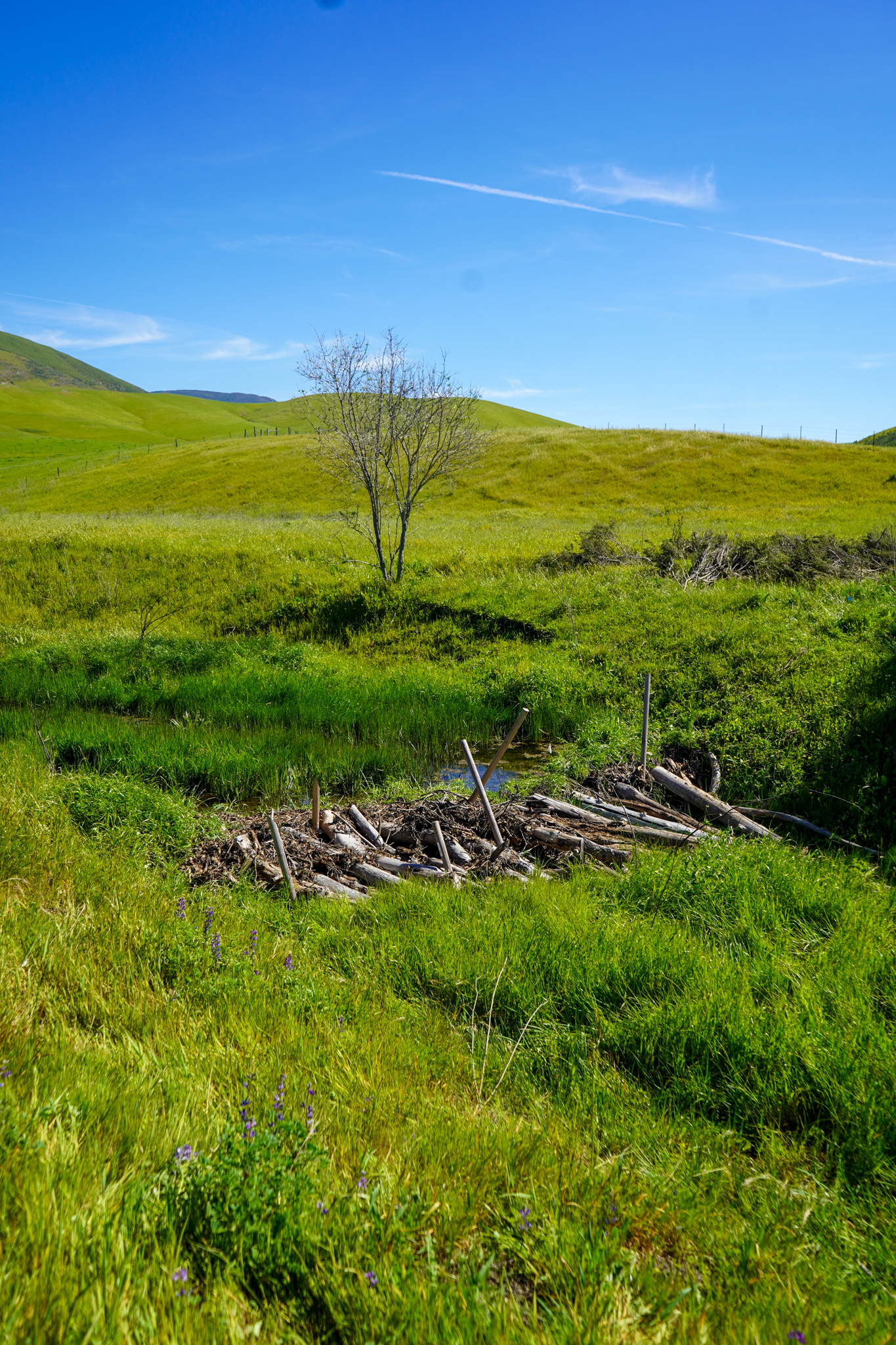
PBR techniques vary depending on the site and region where the project is taking place. In September 2025, the Estuary Program worked with SLOBB and additional partners to implement forty PBR structures on Walters Creek to help improve its function and habitat. To learn more about our efforts to restore Walters Creek, visit this blog.
What are Beaver Dam Analogs?
Beaver dam analogs (BDAs) are structures that mimic the effects of a dam built by beavers on a creek. They promote the ponding of water and deposition of sediment behind the structure. Deposited sediment raises the elevation of the channel bed, which helps to reconnect the channel to the adjacent floodplain habitat. The structures have a ramp of sediment on the upstream side and a lattice of brush and wood on the downstream side. The front of the structure acts like a filter, slowing down the water’s path through mud and vegetation.
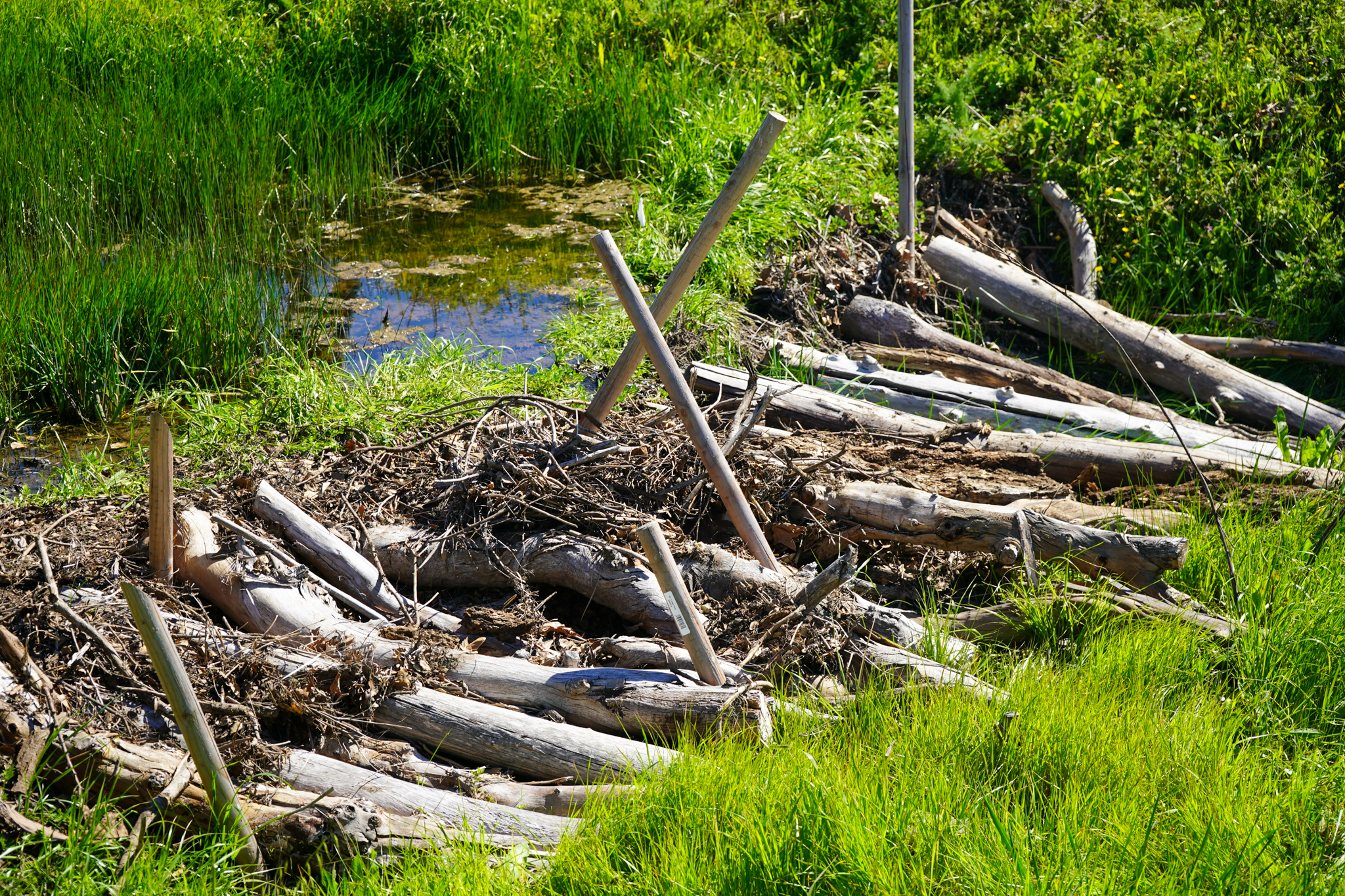
By slowing down water flow and increasing pooling, these structures help to increase rehydration of the floodplain and riparian zones, increase habitat for aquatic wildlife, decrease erosion, and improve water quality. These are just a few of the positive environmental impacts from BDAs.
Hands on Learning and Building with SLO Beaver Brigade
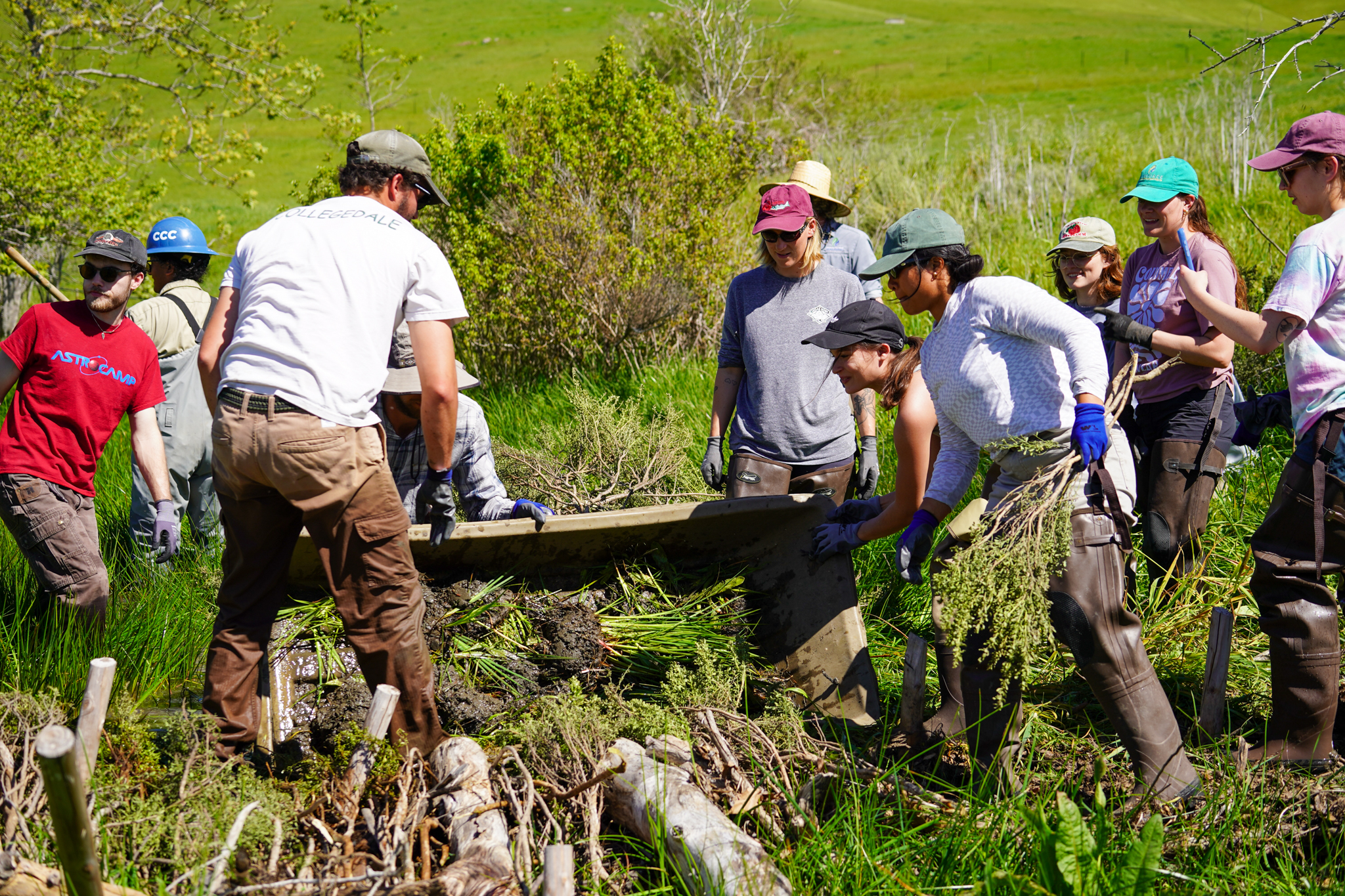
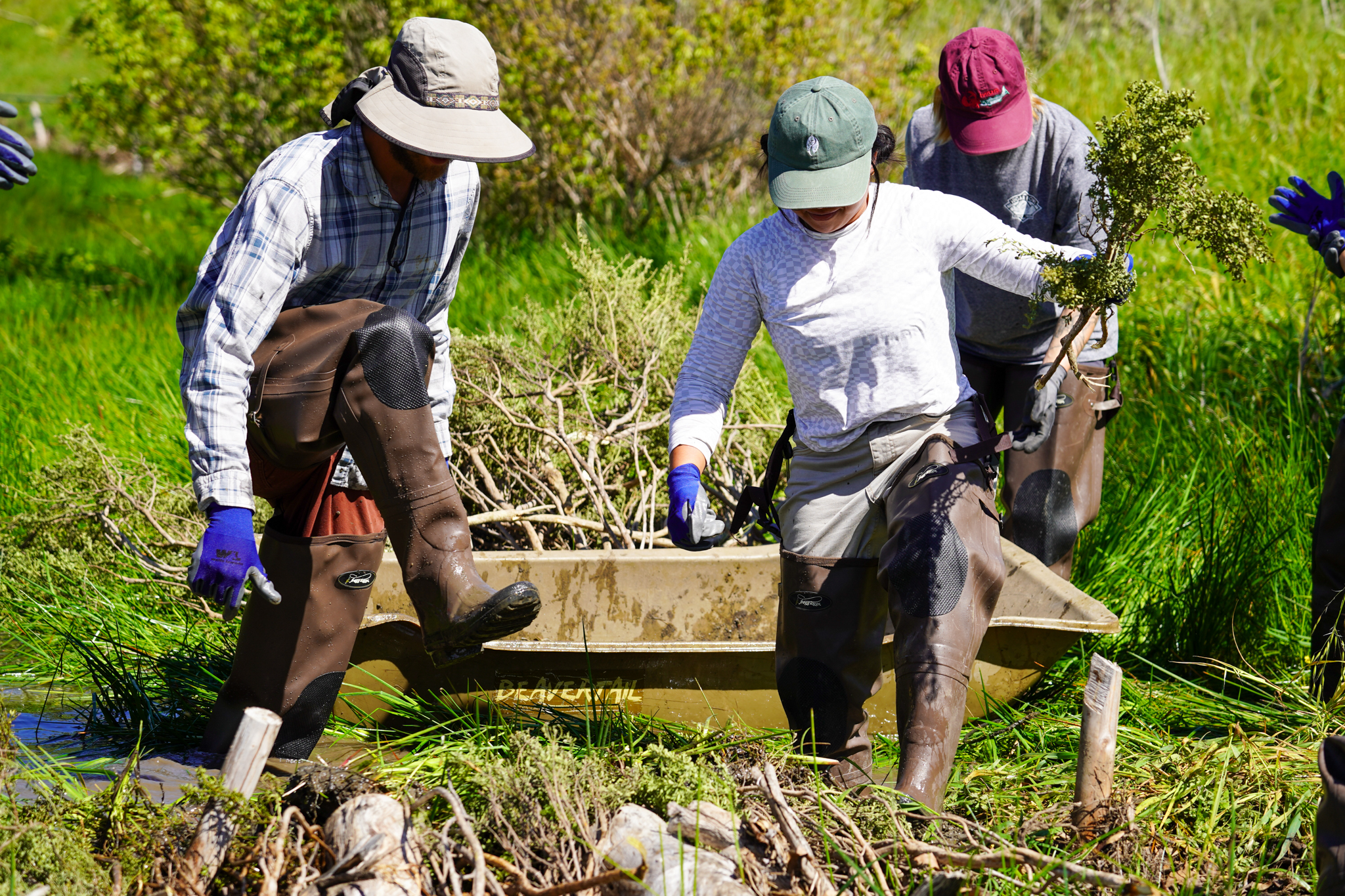
A large portion of the workshop included hands on implementation. After watching a demo from Nature’s Engineers, attendees split into two groups to work on two BDA structures.
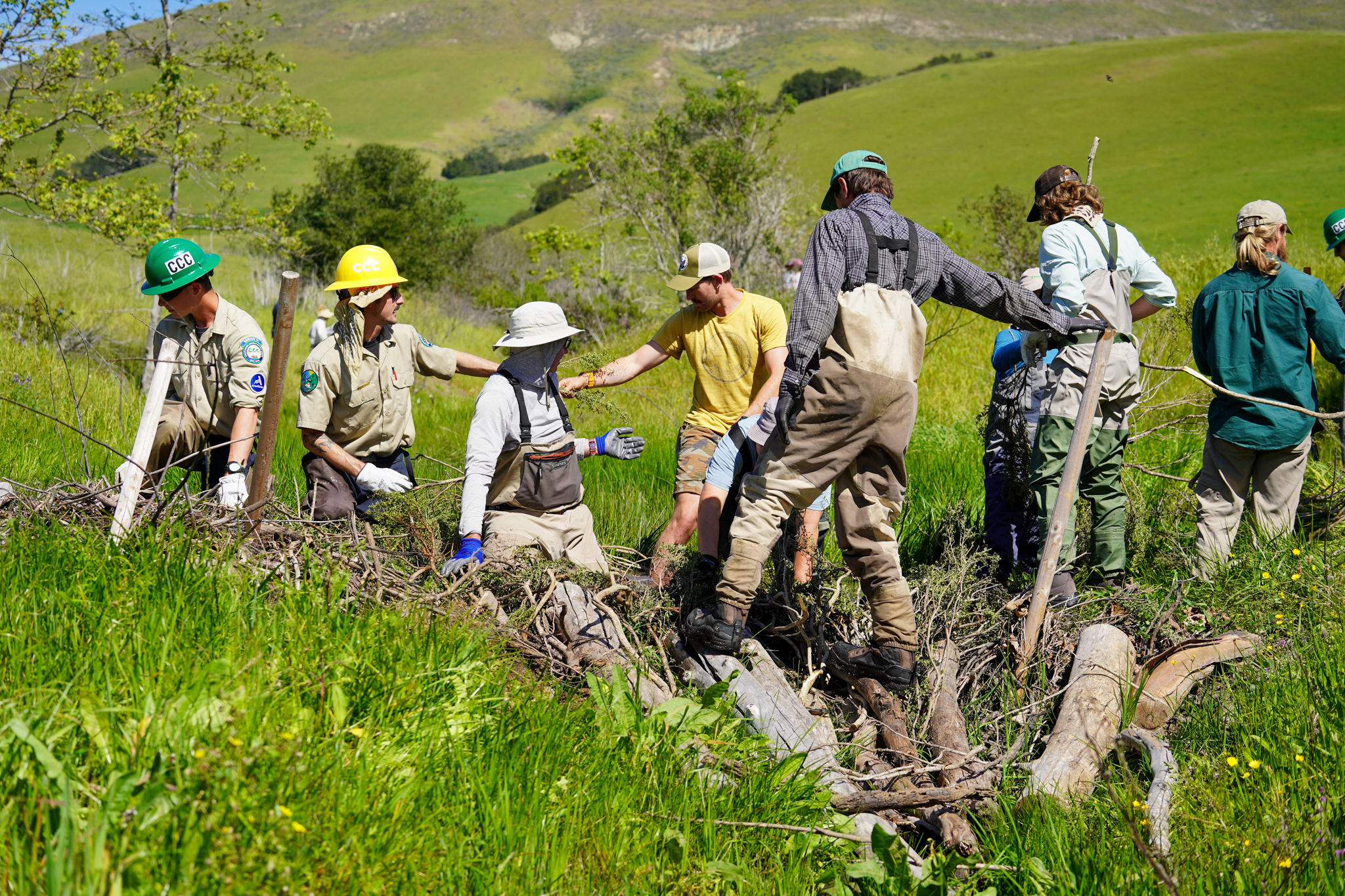
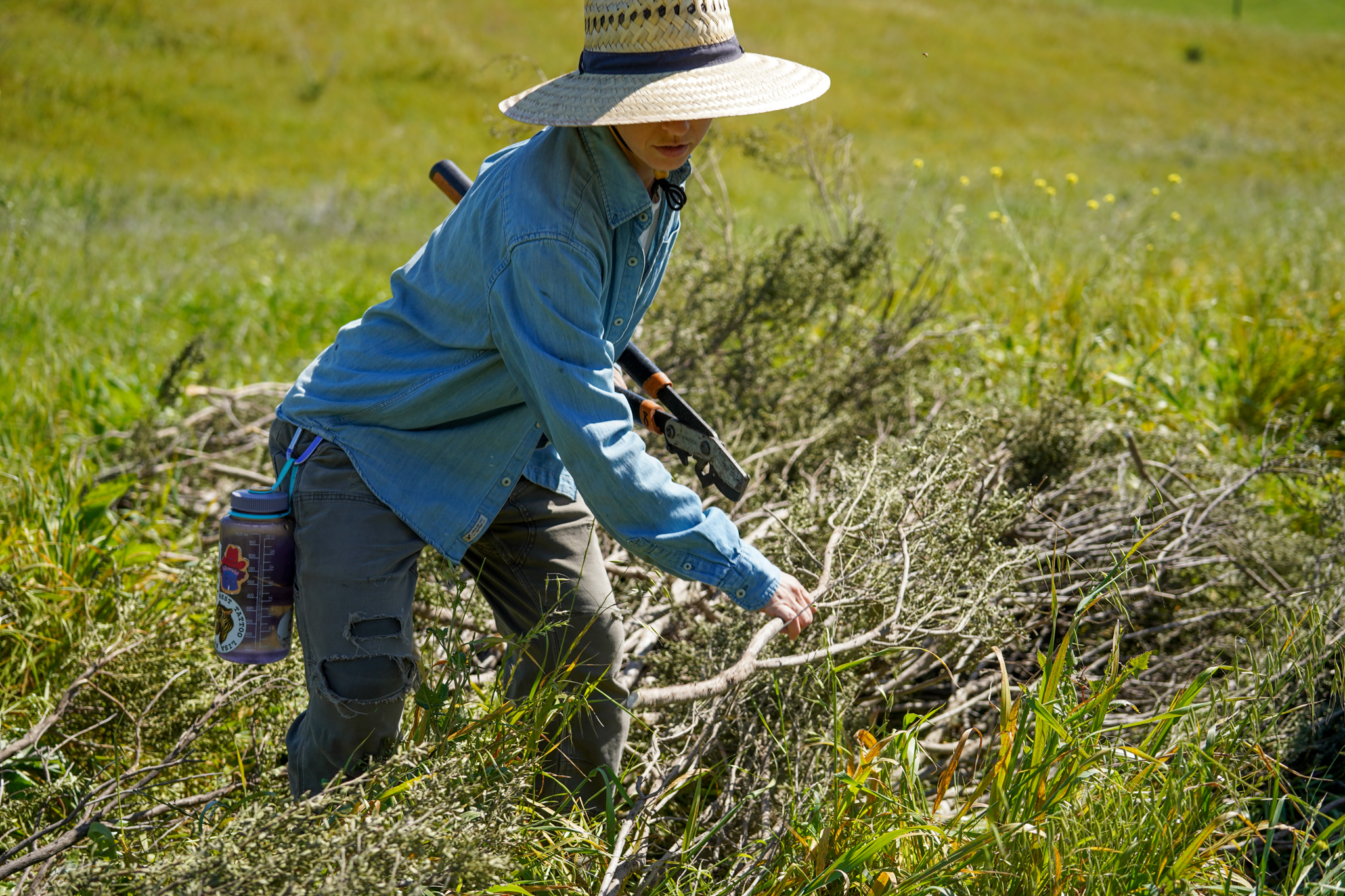
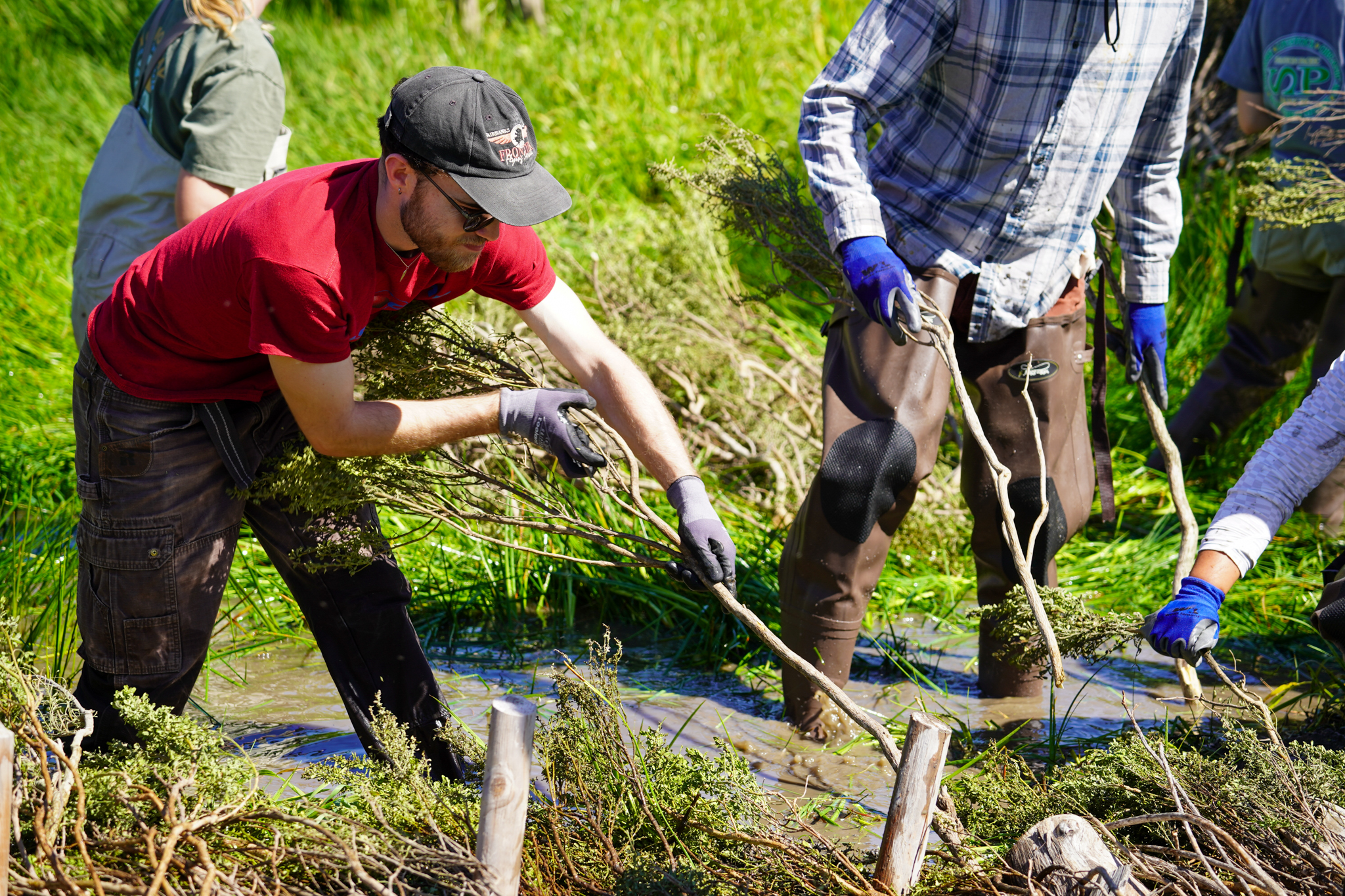
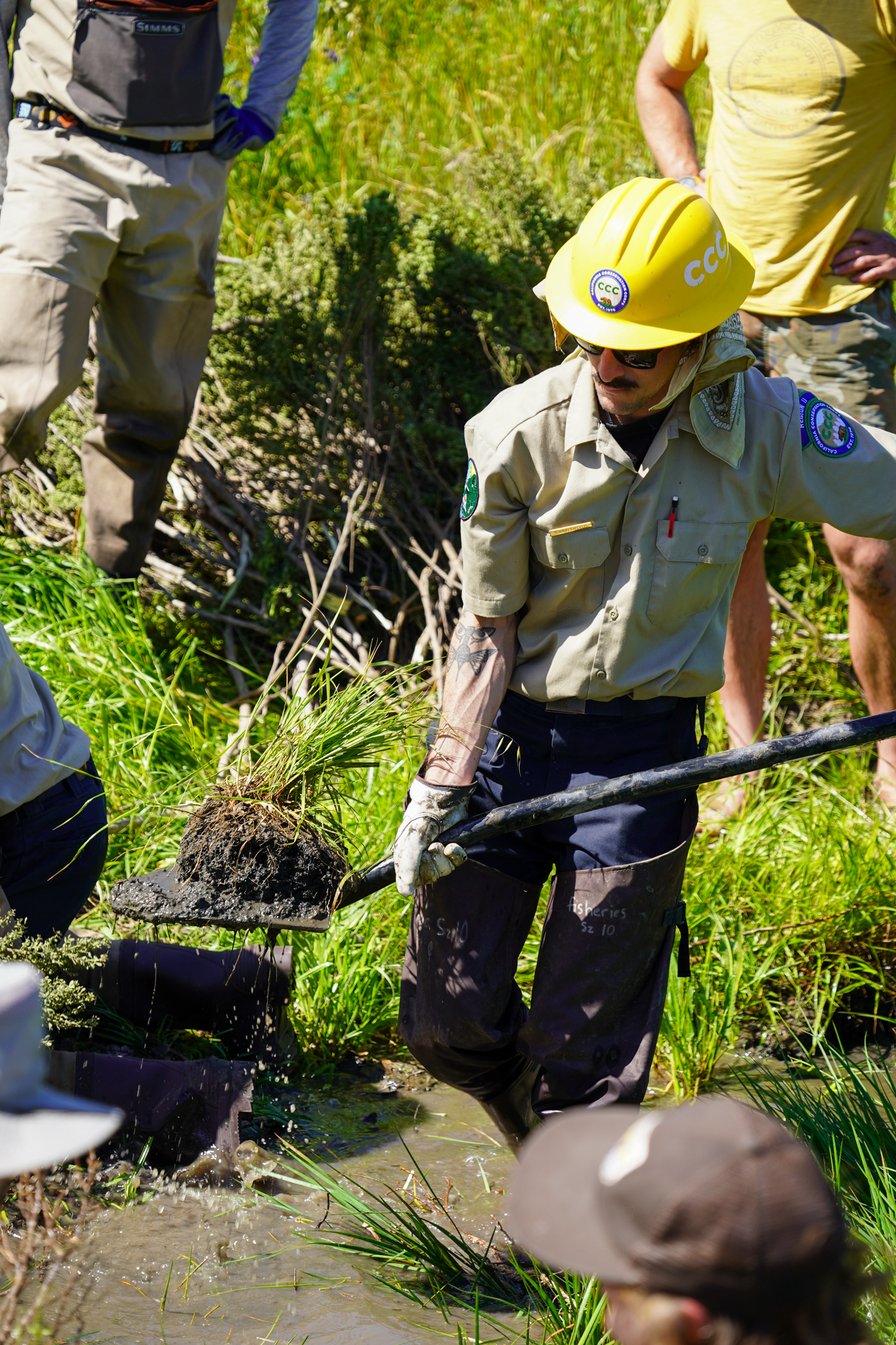
Tasks included collecting and cutting woody material, layering woody materials, filling tubs of sediment, dumping sediment on to the woody layers, and compressing the sediment layers with a series of thoughtful stomps.
Why Walters Creek?
Erosion on this small tributary to Chorro Creek has historically contributed large amounts of sediment to the Morro Bay watershed and lowered the elevation of the creek channel. While erosion is a natural and often beneficial process, excess sedimentation can degrade habitats over time.
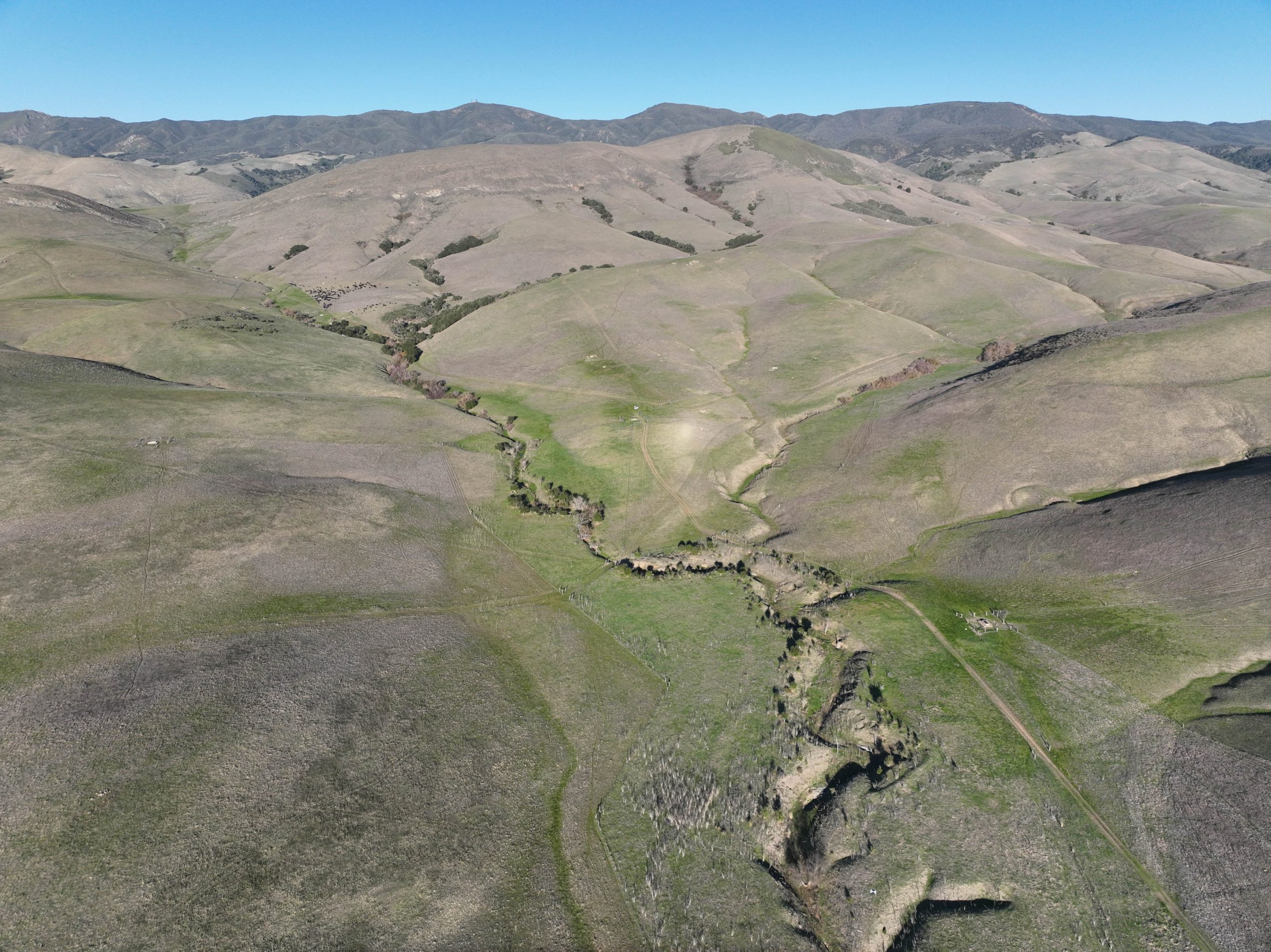
Thank you to the over fifty attendees who came to the workshop to learn about PBR and help implement these restoration practices on Walter’s Creek.
Upcoming BDA Events and How to Learn More
On May 16, the Estuary Program is leading a tour of our Walters Creek restoration site. The tour will include a site tour of BDAs, post-assisted log structures (PALS), headcut repair treatments, and an overview of the work we do. To learn more and RSVP, visit this link.
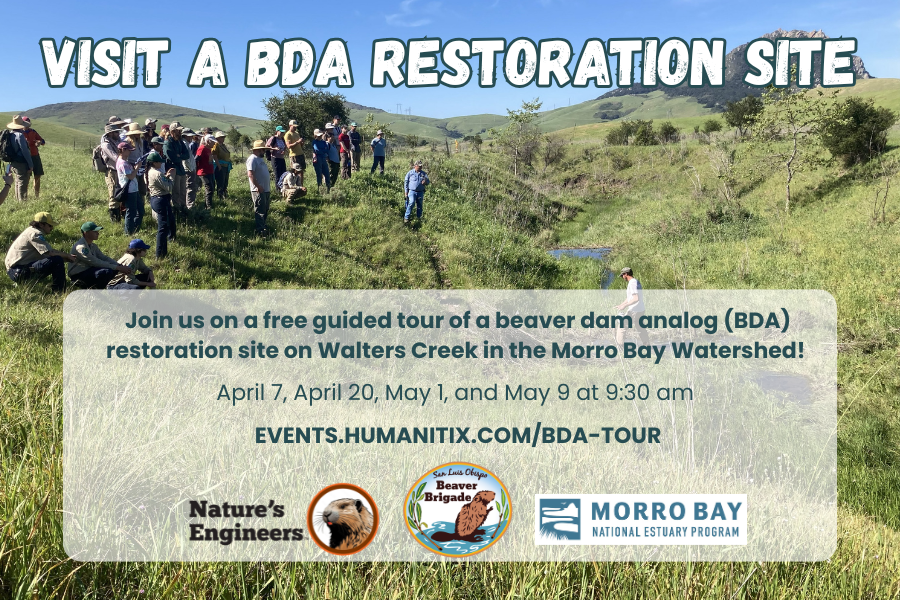
SLOBB will be leading additional tours at Walters Creek on April 7, April 20, May 1, and May 9. To register for these tours, click here.
Lastly, Saturday, April 11 is the Fourth Annual Central Coast Beaver Festival hosted by SLOBB. The event will feature live music, guest speakers, informational booths, food vendors, kids’ crafts & games, and more. Both the Estuary Program and SLOBB will have tables at the event, and we hope to see you there.