This is a guest blog written by our Monitoring Technician, Noah.
Having spent the last three years as an Environmental Management and Protection student at Cal Poly San Luis Obispo, I’m so excited to be joining the Estuary Program as a part-time Monitoring Technician! I will be supporting the Estuary Program’s Monitoring team until this summer.
Noah’s Background
Born and raised in San Diego, I was fortunate to spend my childhood in an area with an incredible variety of natural ecosystems. My family organized frequent trips to the beach and yearly backpacking trips all throughout the West Coast that helped to foster an appreciation for nature at a very young age. This love and sensitivity for the environment only grew throughout high school. When it came time to apply to college, I felt sure that my career path would be in environmental science.
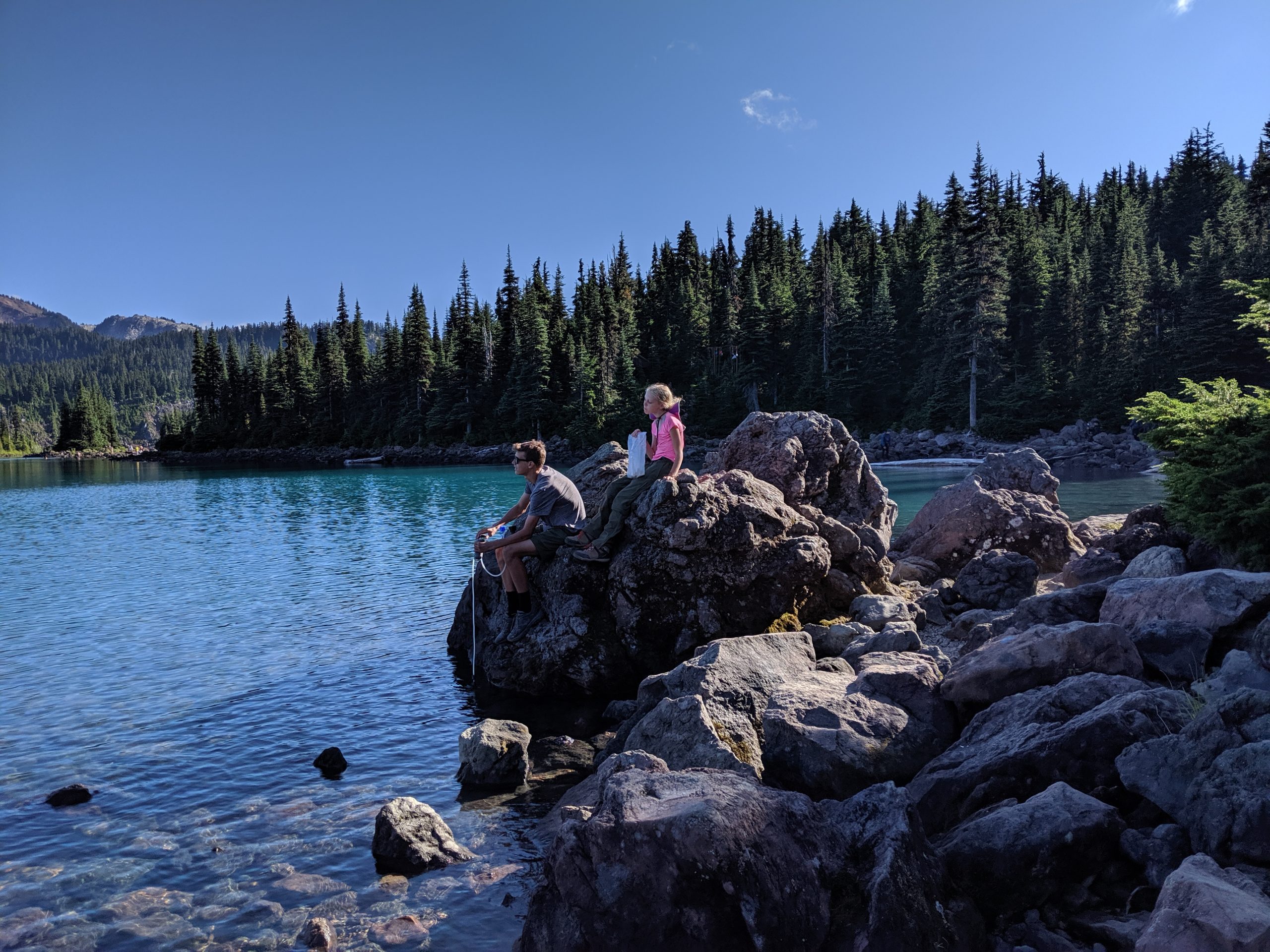
In my first year of school, I narrowed my career and scholastic focus on water sciences, leading me to choose a concentration in Watershed Management & Hydrology. I also opted to minor in Sustainable Environments with the goal of better understanding the context of human impacts on natural systems. The intersection between these topics has led me to my position with the Estuary Program, working to monitor creek and bay water quality and helping to preserve the health of these important estuary ecosystems.
Undergraduate Life
Cal Poly’s “Learn by Doing” philosophy had me involved in field and applied coursework early on. I had the opportunity to conduct watershed-related fieldwork in a variety of settings from benthic macroinvertebrate sampling in San Luis Obispo Creek to habitat assessments at Swanton Pacific Ranch in Santa Cruz. These hands-on experiences have resulted in a growing love for working in the field.
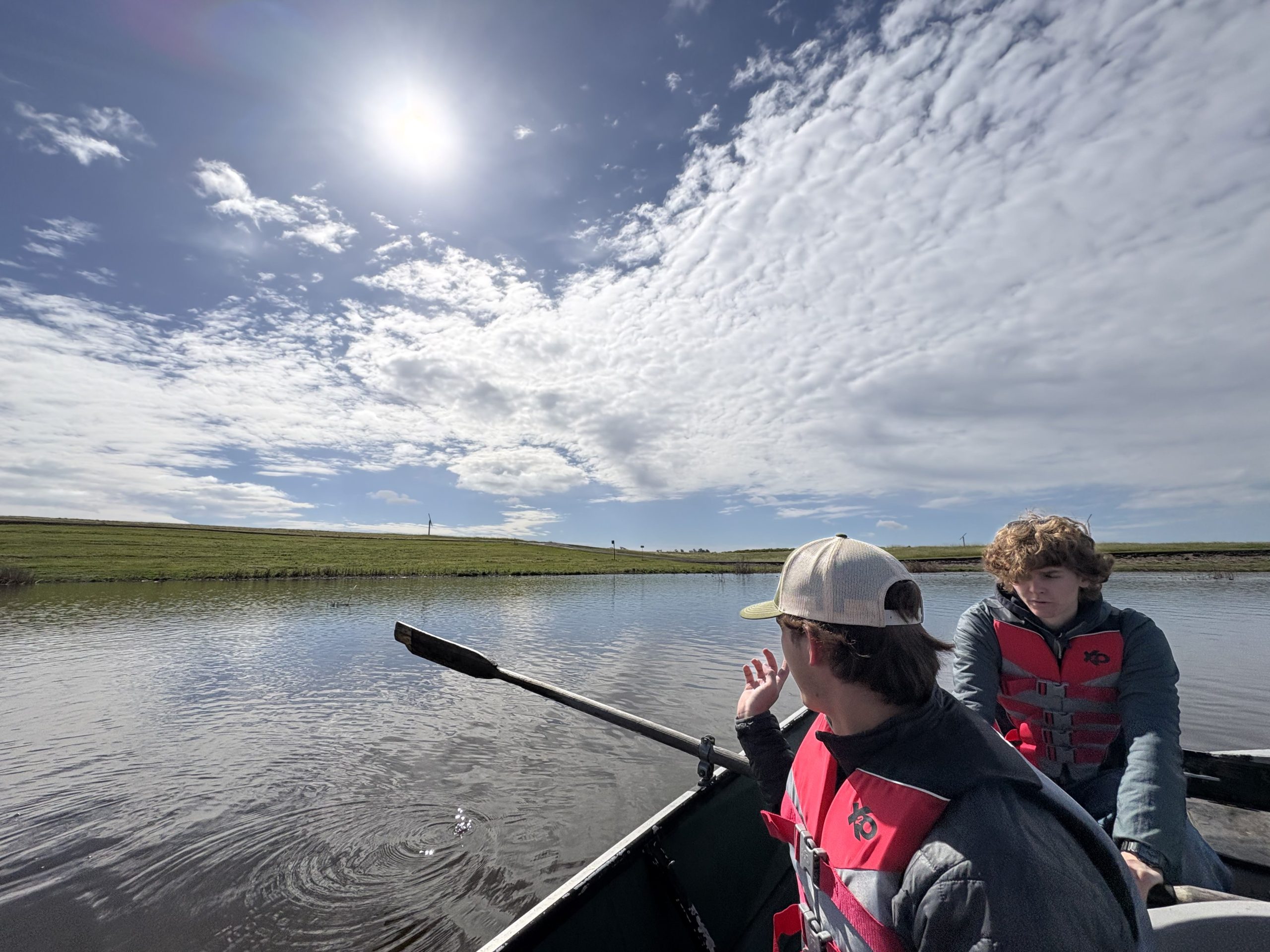
In my time as a student, I have been lucky to work with professors and students on various mapping and research projects. One project that I was excited to participate in was an effort to map Cal Poly’s Bartleson Ranch, a 450-acre lemon and avocado farm in Arroyo Grande. Prior to this project, there was only a hand-drawn map to reference major features. I worked with other students to digitize many aspects of the ranch, including mapping irrigation valves and estimating reservoir volume by collecting depths and GPS locations in a rowboat. As a final product, we completed a full-scale interactive web map for the ranch which will be used by future students, educators, ranch staff, and others.
Working with the Estuary Program
I started volunteering with the Estuary Program in January of 2026, supporting monthly creek water quality monitoring with my volunteer partner. Moving into this new role as a Monitoring Technician, I am excited to expand my responsibilities to include additional fieldwork, equipment calibration and maintenance, and data entry.
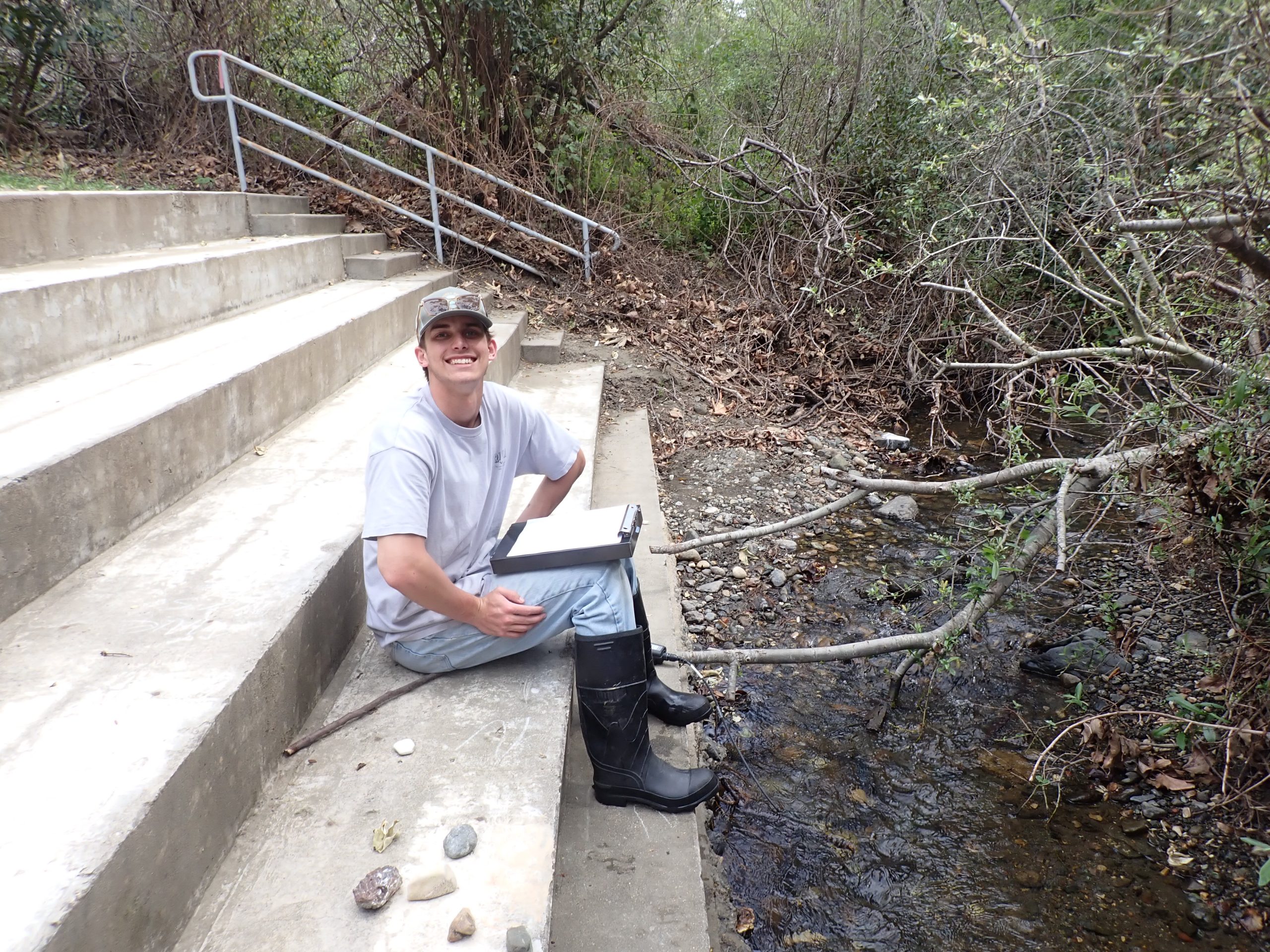
Part of what makes the Estuary Program’s work so unique is that because of the watershed’s relatively small size, our field work allows us to understand the watershed and the impacts affecting it very well. Working in streams, creeks, and the bay, I’m amazed by how fortunate we are to live and work in such a gorgeous corner of the world.
A Look to the Future
In this role, I’m excited to gain valuable experience in the environmental realm, while also contributing towards meaningful work. I feel grateful to learn from the experienced and dedicated team at the Estuary Program.
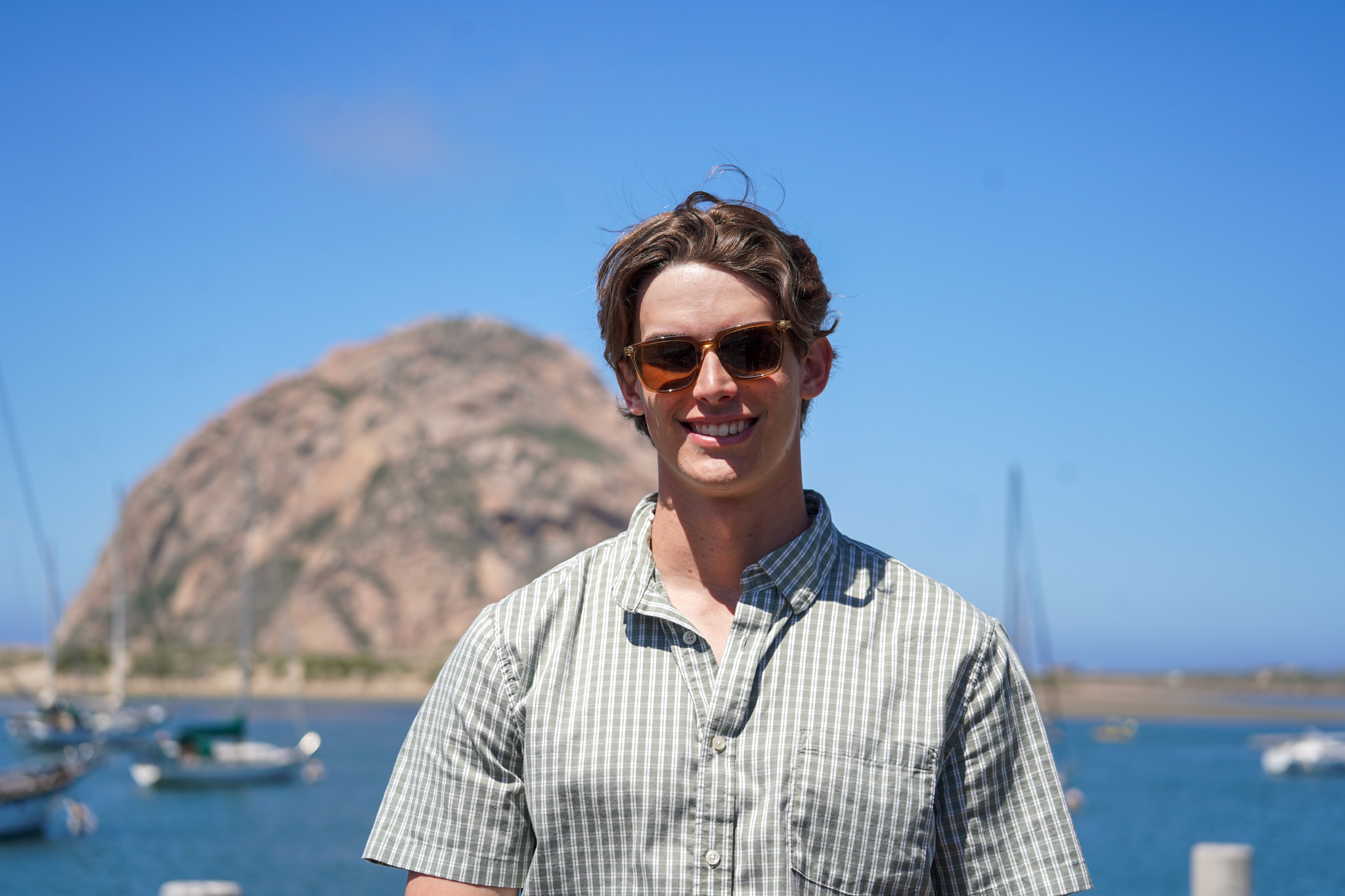
While I don’t know exactly what my future holds, I know how much I enjoy wearing waders, having streams and watersheds be my office space, and being able to say that my work helps to protect and understand an ecosystem larger than myself. I’m looking forward to learning from this experience, collaborating with the Estuary Program’s team, and helping preserve the Morro Bay Estuary!
Help us protect and restore the Morro Bay estuary!
- Donate to the Estuary Program today and support our work in the field, the lab, and beyond.
The Estuary Program is a 501(c)3 nonprofit. We depend on funding from grants and generous donors to continue our work. - Support us by purchasing estuary-themed gear from ESTERO. This locally owned and operated company donates 20% of proceeds from its Estuary clothing line and 100% of Estuary decal proceeds to the Estuary Program. Thank you, ESTERO!
- Purchase items from the Estuary Program’s store on Zazzle. Zazzle prints and ships your items, and the Estuary Program receives 10% of the proceeds.
- Subscribe to our seasonal newsletter: Between the Tides!
- We want to hear from you! Please take a few minutes to fill out this short survey about what type of events you’d like to see from the Estuary Program. We appreciate your input!