This blog was written by Leila Daniel, Director of Education, from One Cool Earth, a local nonprofit dedicated to providing high-quality garden education programming at schools throughout SLO County.
What do the Beaver Brigade, Camp Ocean Pines, and the Estuary Program all have in common? They are all part of the San Luis Obispo County Environmental Education Coalition (EEC)! The EEC is dedicated to fostering environmental education and stewardship among the youth in our community by partnering with local schools and teachers. Through collaborative efforts, we share valuable resources and information to empower students with the knowledge and tools needed to care for our environment here on the beautiful Central Coast.
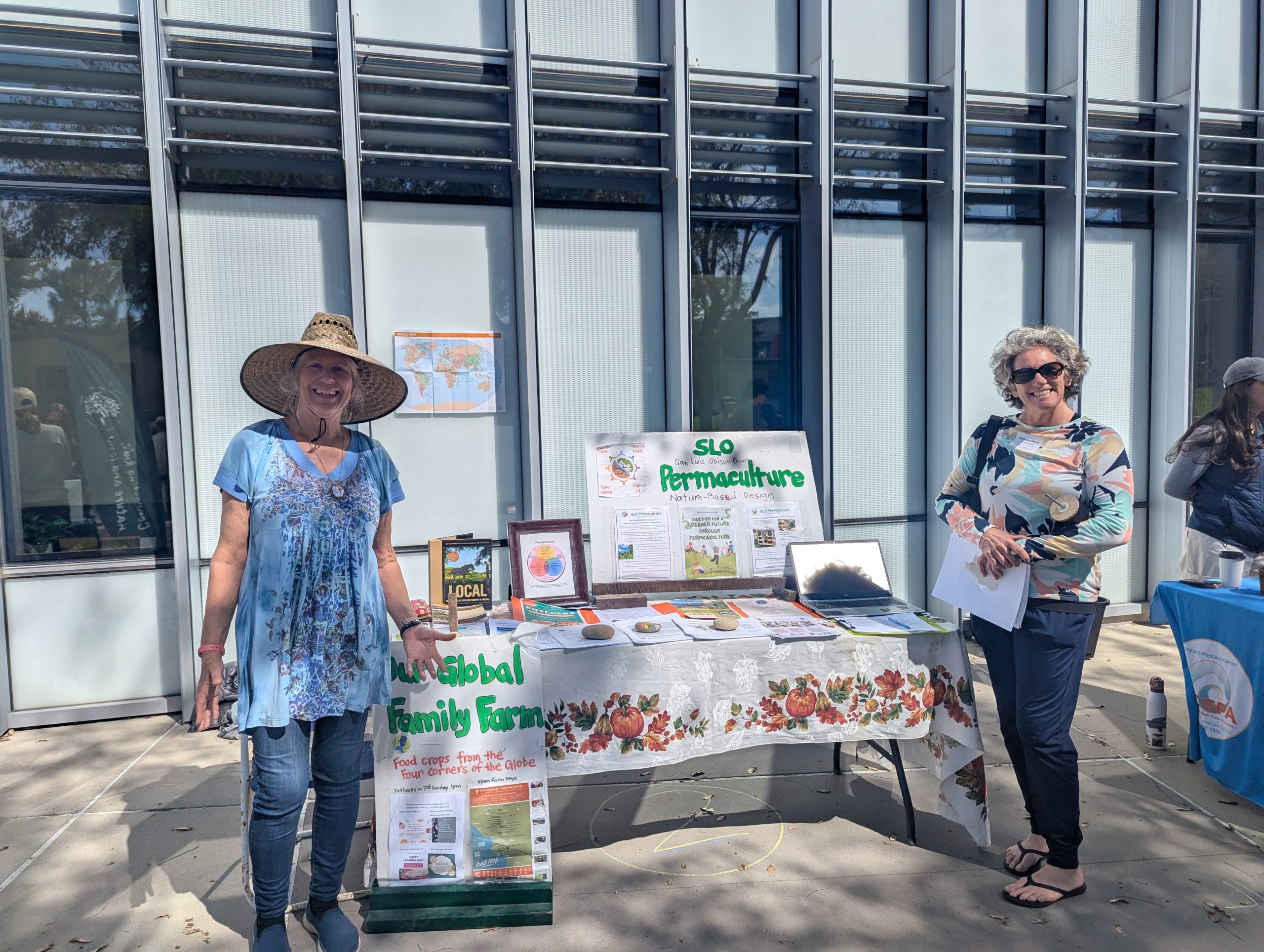
About the Coalition
One Cool Earth received a grant from the National Oceanic and Atmospheric Administration (NOAA) to co-create a coalition that connects nonprofit organizations, public agencies, and schools in SLO County to promote environmental education and build capacity for climate literacy. Our driving mission is this: We believe that every child in San Luis Obispo County deserves and benefits from environmental education.
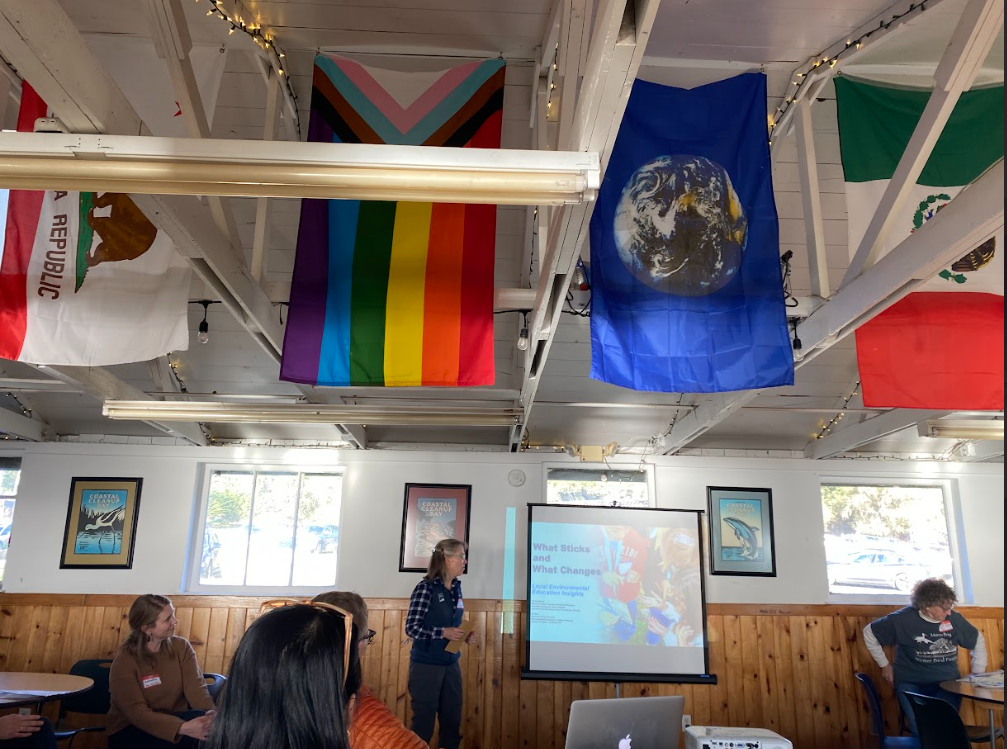
The goals of the SLO County Environmental Education Coalition are to:
- Advocate with a unified voice for policies that support environmental education (EE).
- Support equity in EE by facilitating presentations, trainings, professional development, and resources that promote thoughtful and appropriate EE for all.
- Coordinate between EE providers to create efficiencies in program development and delivery that increase reach and impact.
- Coordinate between EE providers and local schools, streamlining EE connections within the classroom.
- Collaborate with schools to provide capacity building through professional development, expertise, and teaching resources.
- Leverage funding by collaborating to increase the competitiveness of funding requests and grant proposal
Come Together!
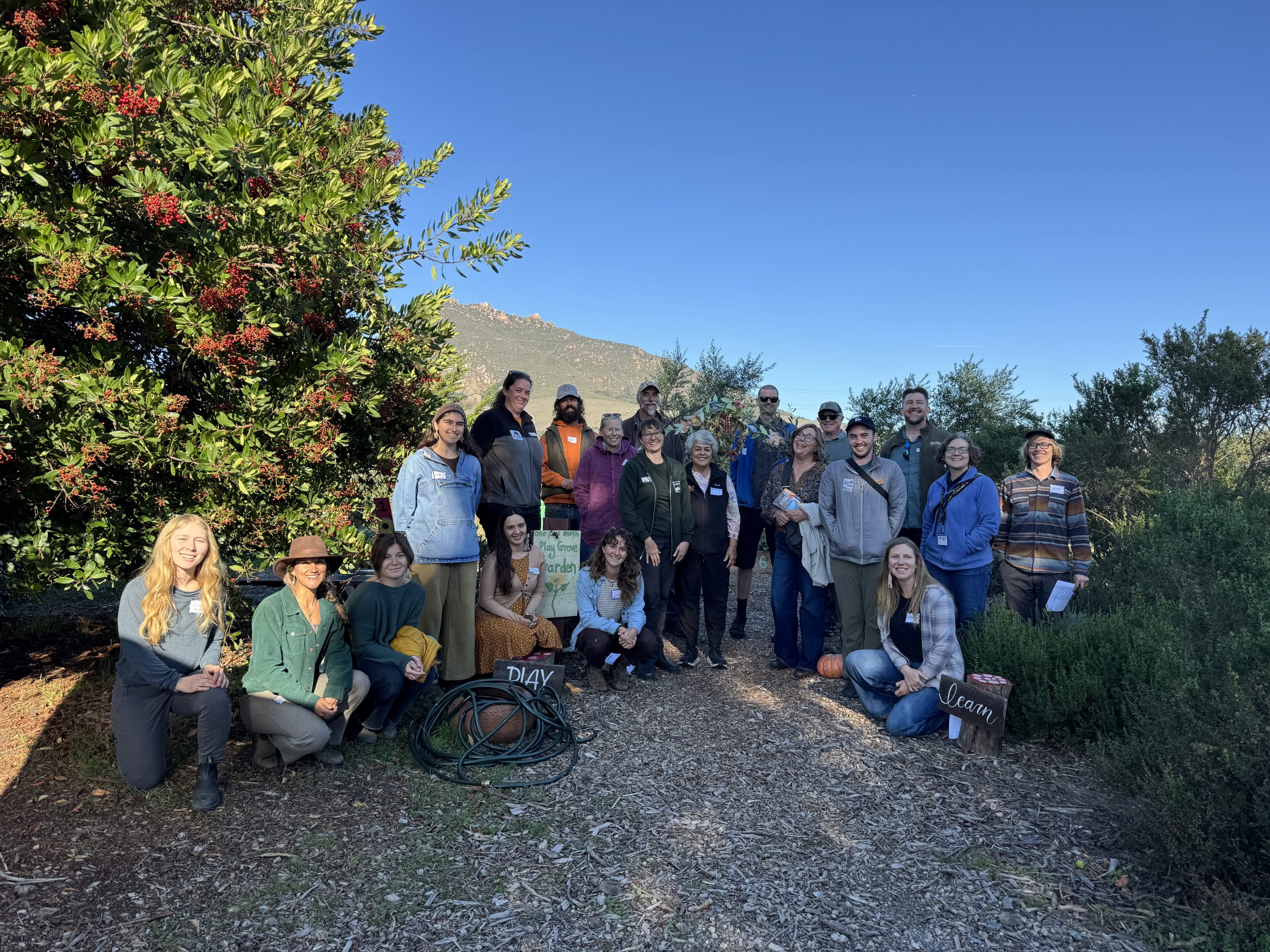
We meet three times a year to bring members together to connect, collaborate, and build bridges. Past meetings have focused on community resilience, tours of local farms, and workshops with organizations across the region.
Actionable Outcomes
The coalition members created two working groups to identify challenges and focus on actionable outcomes. One working group found that environmental education nonprofits are having difficulty connecting with classroom teachers and building relationships with school administrators and districts. The group then identified public school leaders who nonprofit groups could connect with to encourage program implementation across schools and districts. You can find that resource here. Another working group was created to identify how EE organizations were using Climate Literacy Connections in their programs. While there is still work to be done on this project, you can find that resource here.
We provide additional tools for teachers such as our Community Partner Directory and Landscape Report. The Community Partner Directory helps teachers easily connect with local EE providers. The Landscape Report highlights local educational gaps, strategies to address them, and recommendations for next steps. Here are some common challenges and priorities identified in the report:
- Identify ways to increase programming frequency and duration. For example: provide teachers with training/materials to teach before/after/between program sessions. Teachers have a need for longer-term programming (once or twice per week) but most EE providers offer shorter-duration programming.
- Better connect EE providers and schools. Surveys show that teachers rely on non- school organizations for EE programming and training, and that they rely on direct relationships with EE providers to choose programming.
- Offer environmental justice training for EE providers and teachers. Environmental justice was indicated as the most challenging subject for teachers and also the least incorporated topic in EE-provided programming.
- Advocate at all levels for more funding and resources for EE. For both teachers and providers, funding is the limiting ingredient to bring EE to students. Train and coordinate EE providers to better advocate with schools, districts, cities, counties, CSDs, local governmental committees, etc.
- Prioritize programming at low-income and geographically remote schools. These schools lack access to EE. Make additional efforts to reach out to these schools, fund travel reimbursement for educators, and establish outdoor education infrastructure at these sites.
We also partnered with the California Environmental Literacy Initiative (CAELI) to connect educators with community partners. The portal is a wonderful resource that CAELI had already set up and the coalition helped amplify their work.
The Benefits
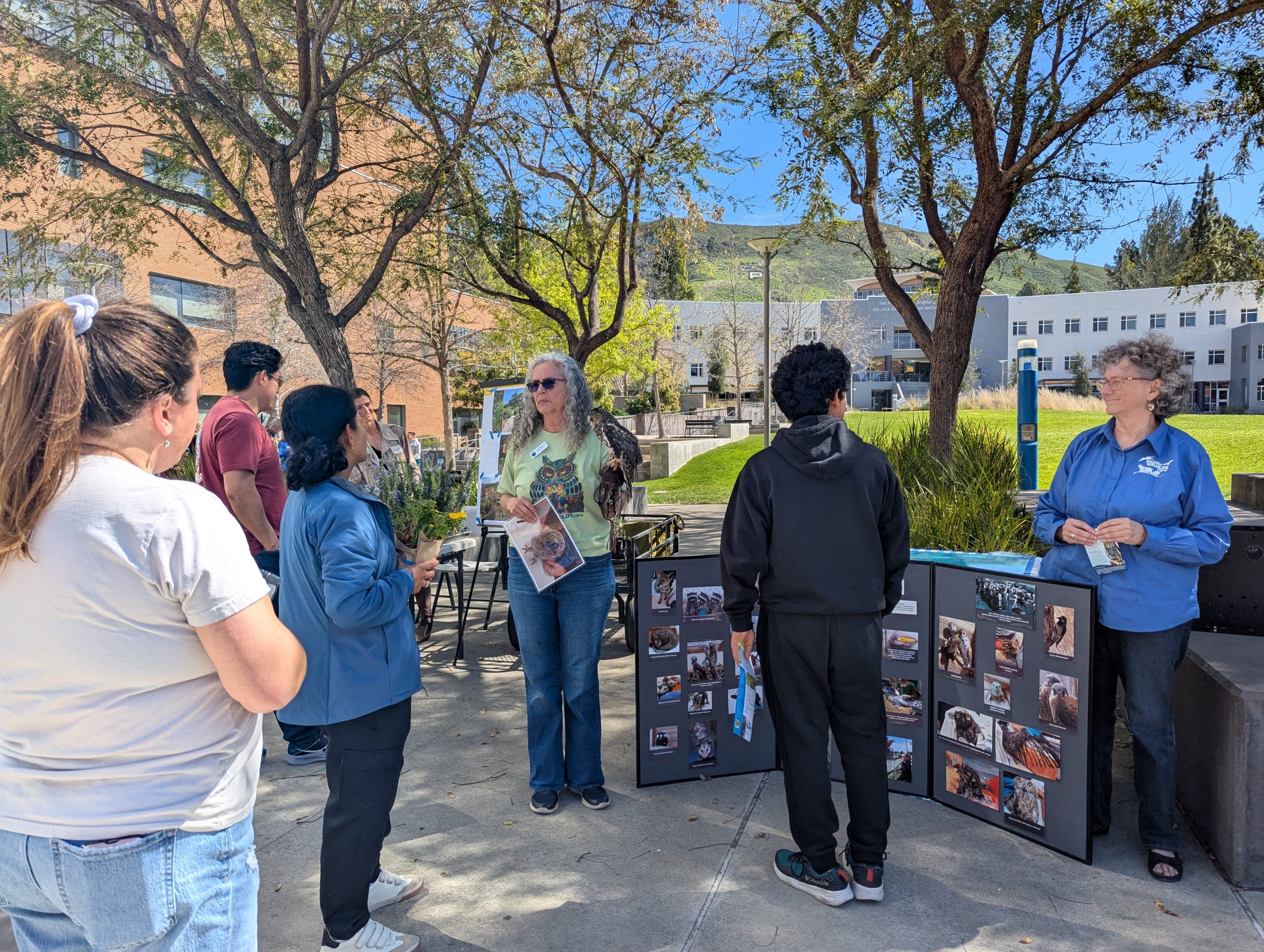
The coalition benefits schools by streamlining coordination between public schools and EE providers. It also helps bring high-quality experiences to students and supports professional development for teachers. Many EE providers have valuable information to share and many resources for schools to use. The EEC can act as a connector.
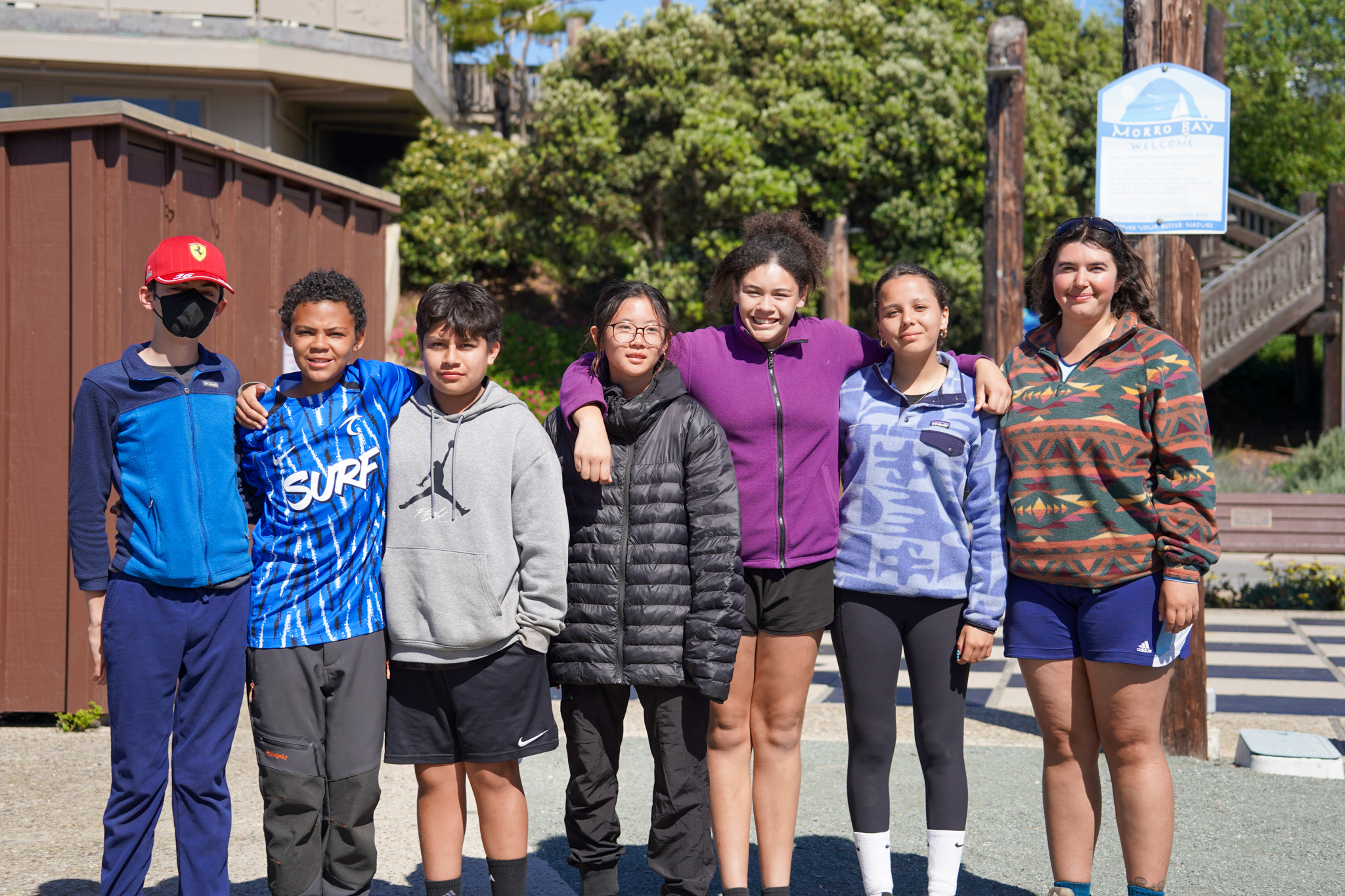
SLO County has a lot to offer its students! The coalition aims to create a future where every child receives climate literacy education inside and outside the classroom. Join the coalition’s mailing list to get updated information on upcoming events via our website: sloeecoalition.org
Help us protect and restore the Morro Bay estuary!
- Donate to the Estuary Program today and support our work in the field, the lab, and beyond.
The Estuary Program is a 501(c)3 nonprofit. We depend on funding from grants and generous donors to continue our work. - Support us by purchasing estuary-themed gear from ESTERO. This locally owned and operated company donates 20% of proceeds from its Estuary clothing line and 100% of Estuary decal proceeds to the Estuary Program. Thank you, ESTERO!
- Purchase items from the Estuary Program’s store on Zazzle. Zazzle prints and ships your items, and the Estuary Program receives 10% of the proceeds.
- Subscribe to our seasonal newsletter: Between the Tides!
- We want to hear from you! Please take a few minutes to fill out this short survey about what type of events you’d like to see from the Estuary Program. We appreciate your input!