The Estuary Program’s annual educator workshop series provides science-based professional development opportunities for classroom teachers. Participants learn how to integrate hands-on, standards-aligned lessons into their teaching through a mix of field trips and classroom learning. In June, we collaborated with Cal Poly’s Central Coast Science Project to host our 4th annual workshop series called the 2026 Summer Science Institute, From Crest to Coast
History of the Educator Workshop Series
The first Estuary Program educator workshop series was held in 2023. The goal of these workshops was to expand high-quality, hands-on environmental education throughout SLO County beyond what is provided through our field trip program.
In 2024 and 2025, the workshop focus was shifted to coastal ocean literacy, with help from the Southwest Marine Educators Association. Participants in both years attended a series of three workshops on incorporating coastal and ocean ecology into their science education.
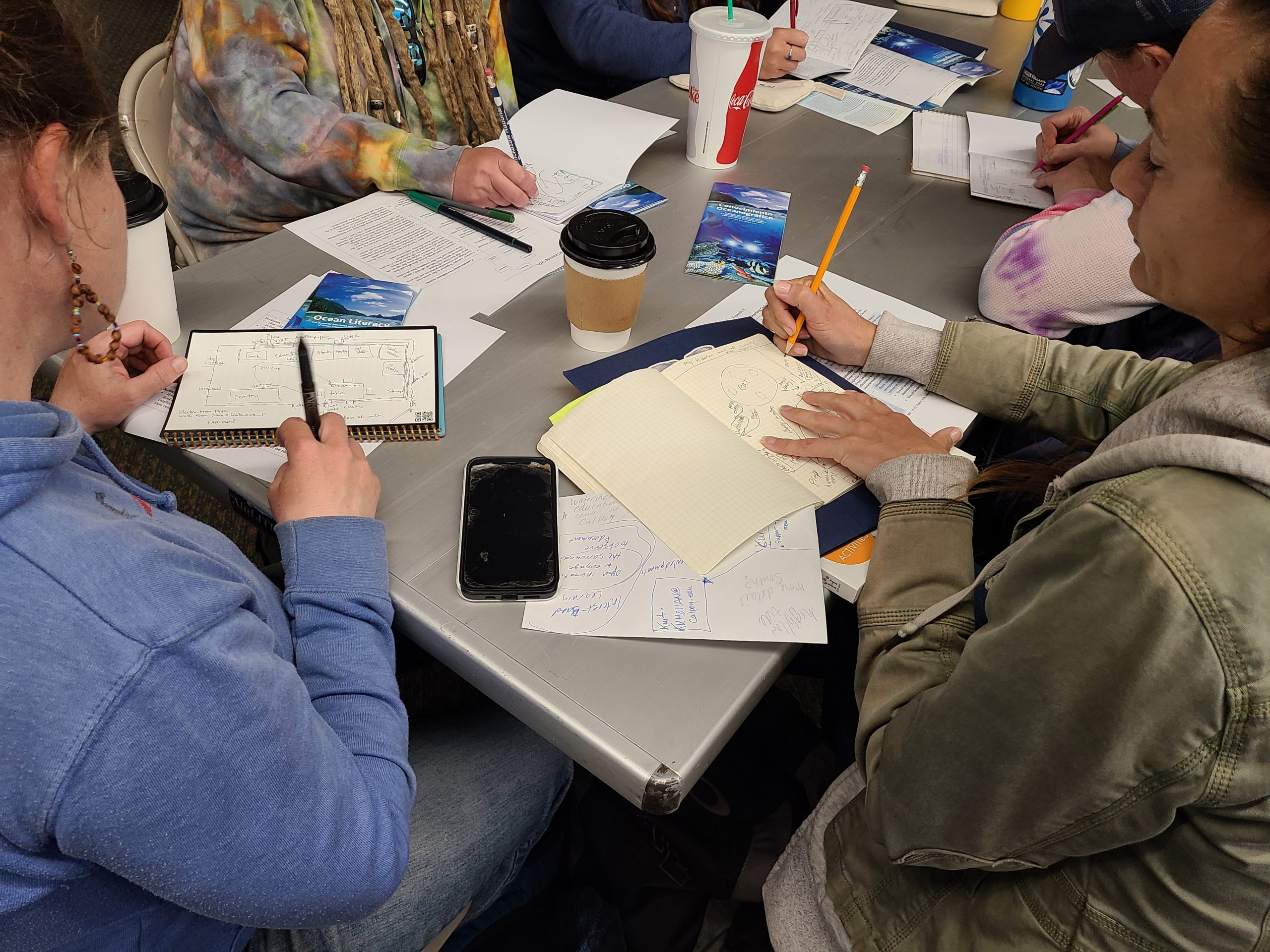
About the 2026 Workshop
This year, the Estuary Program partnered with the Central Coast Science Project to combine their annual Summer Institute with our workshop series. The result was a four-day event for K-12 classroom teachers focused on local watersheds and the movement of water as a crucial part of any ecosystem. Each day was held in a different part of the county, as we followed the movement of water “from crest to coast.”
Nearly forty teachers from San Luis Obispo, Santa Barbara, and Kings Counties attended. After completing the workshop, participants received a stipend and the ability to earn continuing education units for professional development.
Day One: The Crest
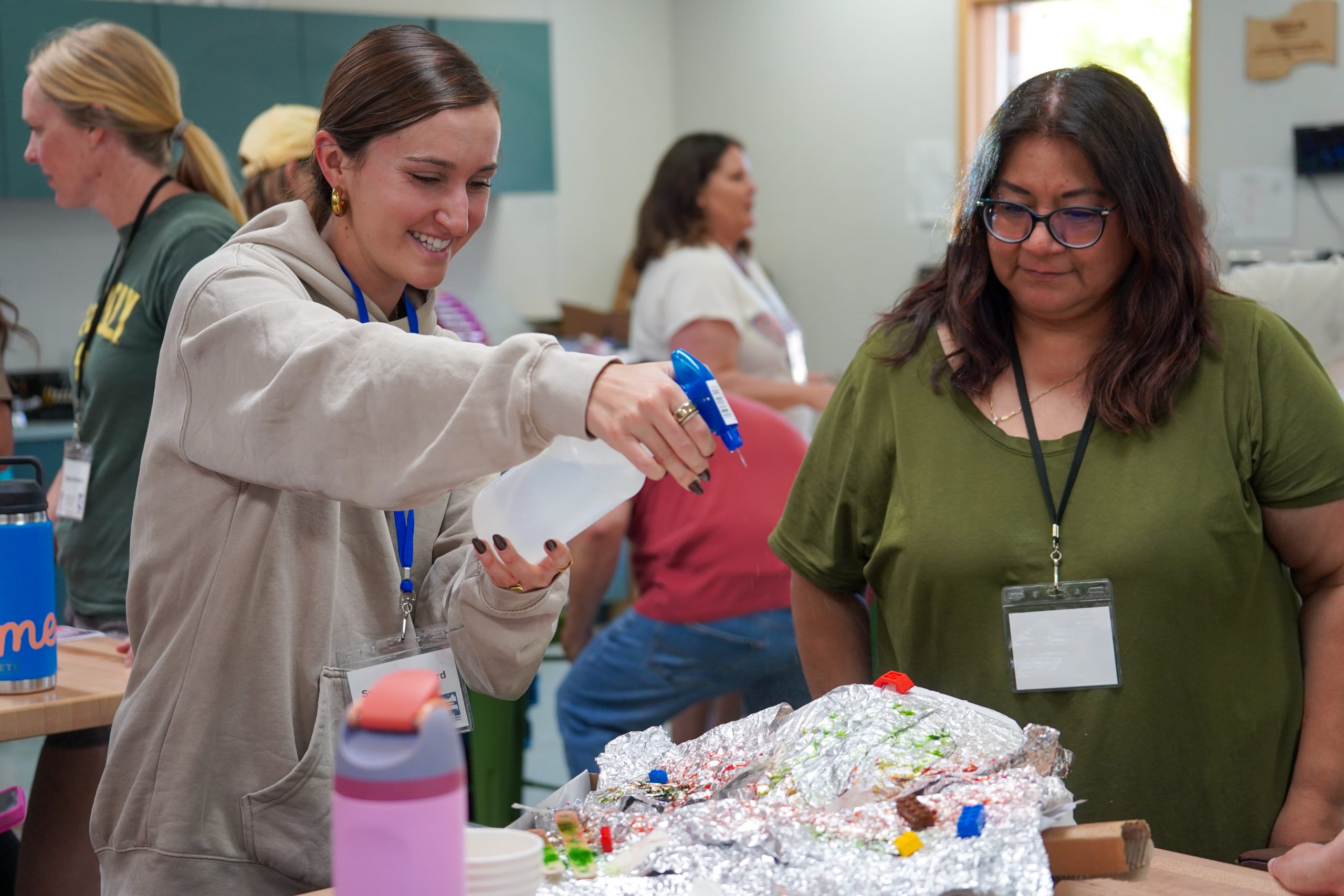
The workshop started in Santa Margarita in the upper part of the area that drains into the Salinas River. Participants learned about watersheds, the central theme of the workshop. They were introduced to a variety of teaching and learning tools and created their own watershed models out of common household materials. These engaging, hands-on tools can help teach the connection between watersheds and ecosystem health.
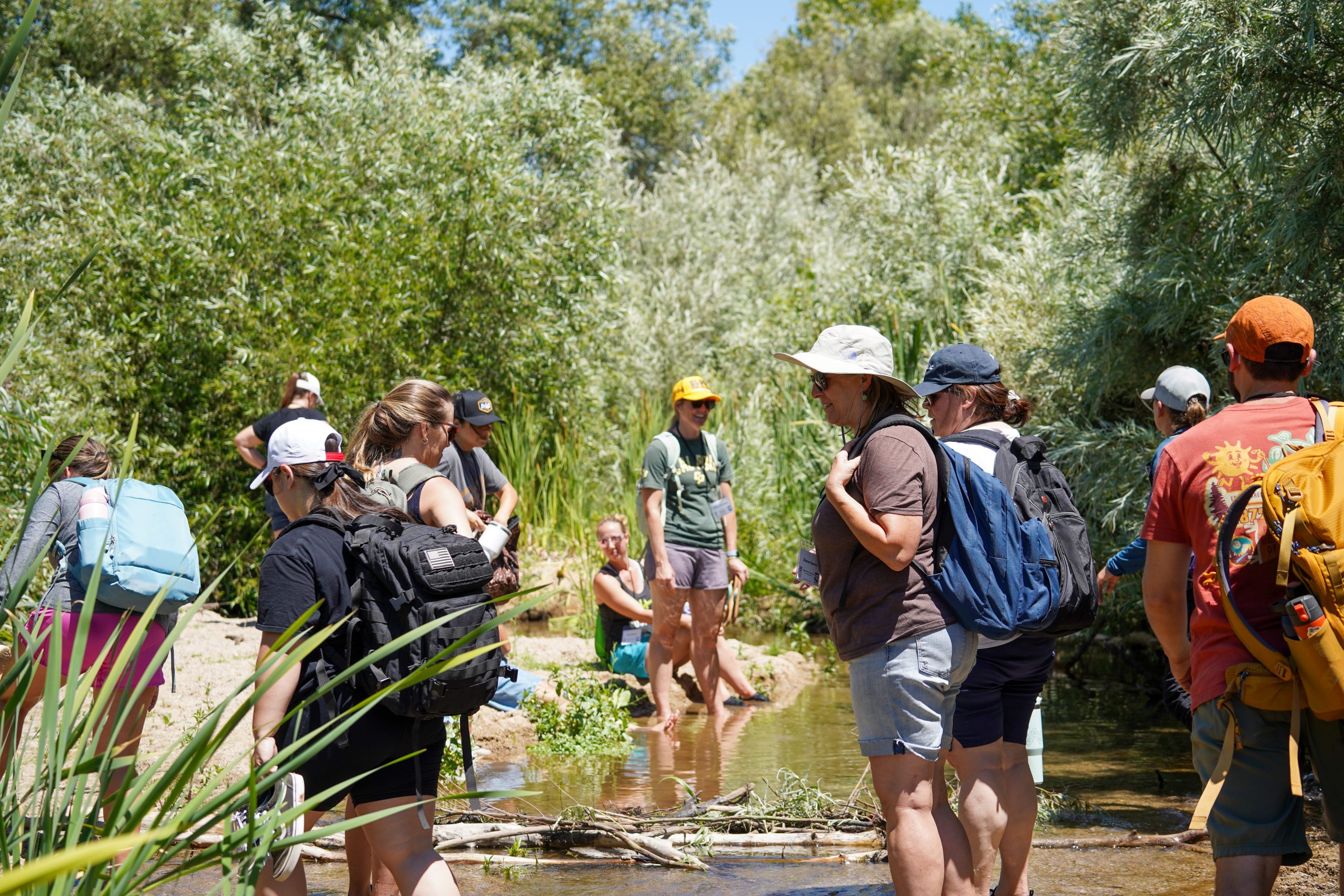
Participants then met up with staff from the SLO Beaver Brigade in the nearby Salinas River. This site is home to a dam built by a family of beavers. Workshop participants learned about the importance of beavers as keystone species and ecosystem engineers.
Day Two: The Watershed
The second day of the workshop was held at Dairy Creek in El Chorro Regional Park, which is located in the Morro Bay watershed. They learned about creek-dwelling benthic macroinvertebrates and what their presence tells us about water quality. Participants also learned how to adapt real monitoring protocols into activities for students of all ages.
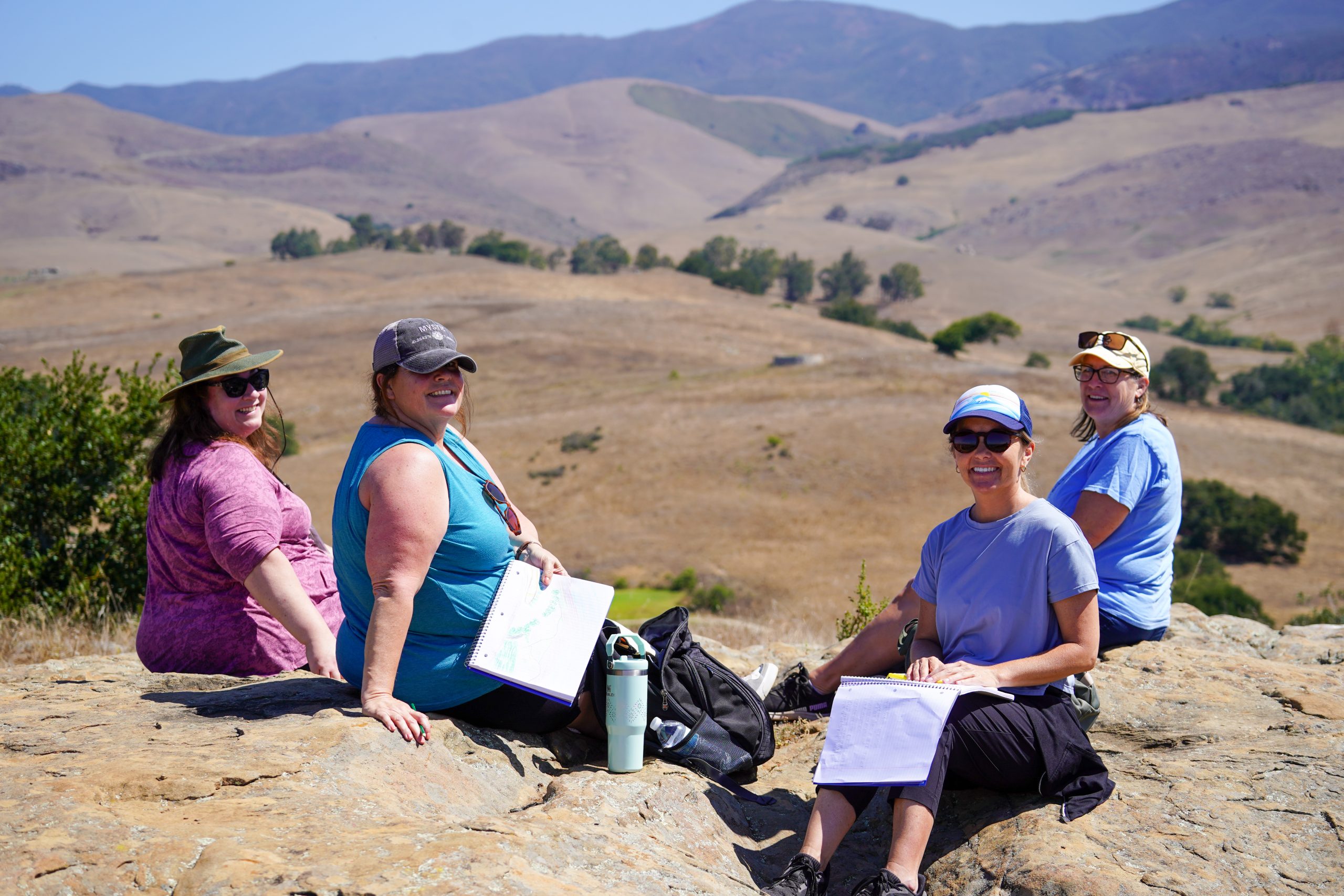
The rest of the day was spent hiking and exploring the nearby oak woodland habitat to better understand watersheds, where water might flow, and how it interacts with the landscape.
Day Three: The Coast
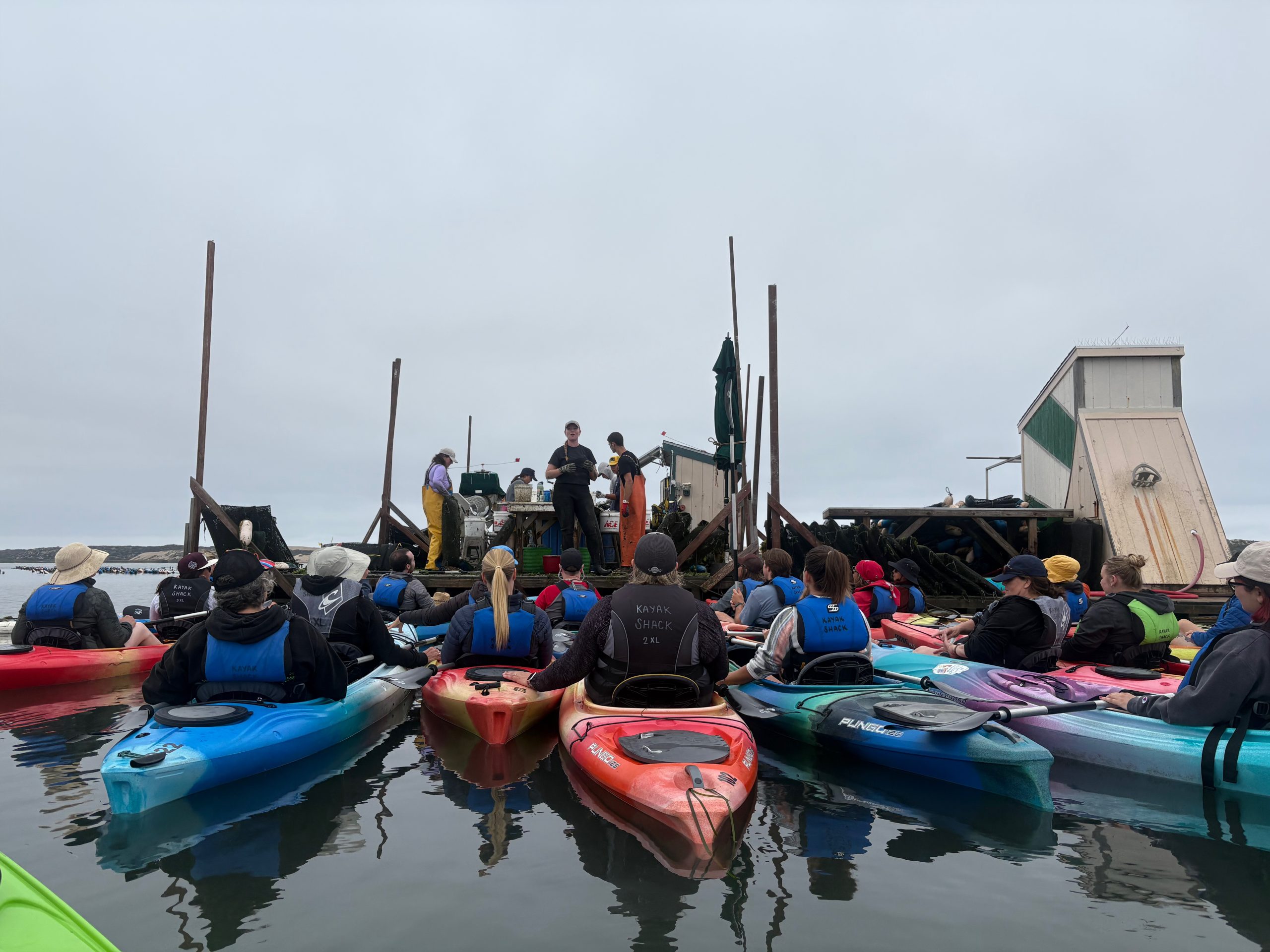
The third day of our workshop was held in Morro Bay. Participants kayaked through the estuary and visited the Grassy Bay Oyster Company farm to learn about aquaculture. Back on land, workshop attendees learned nature journaling and birdwatching techniques.
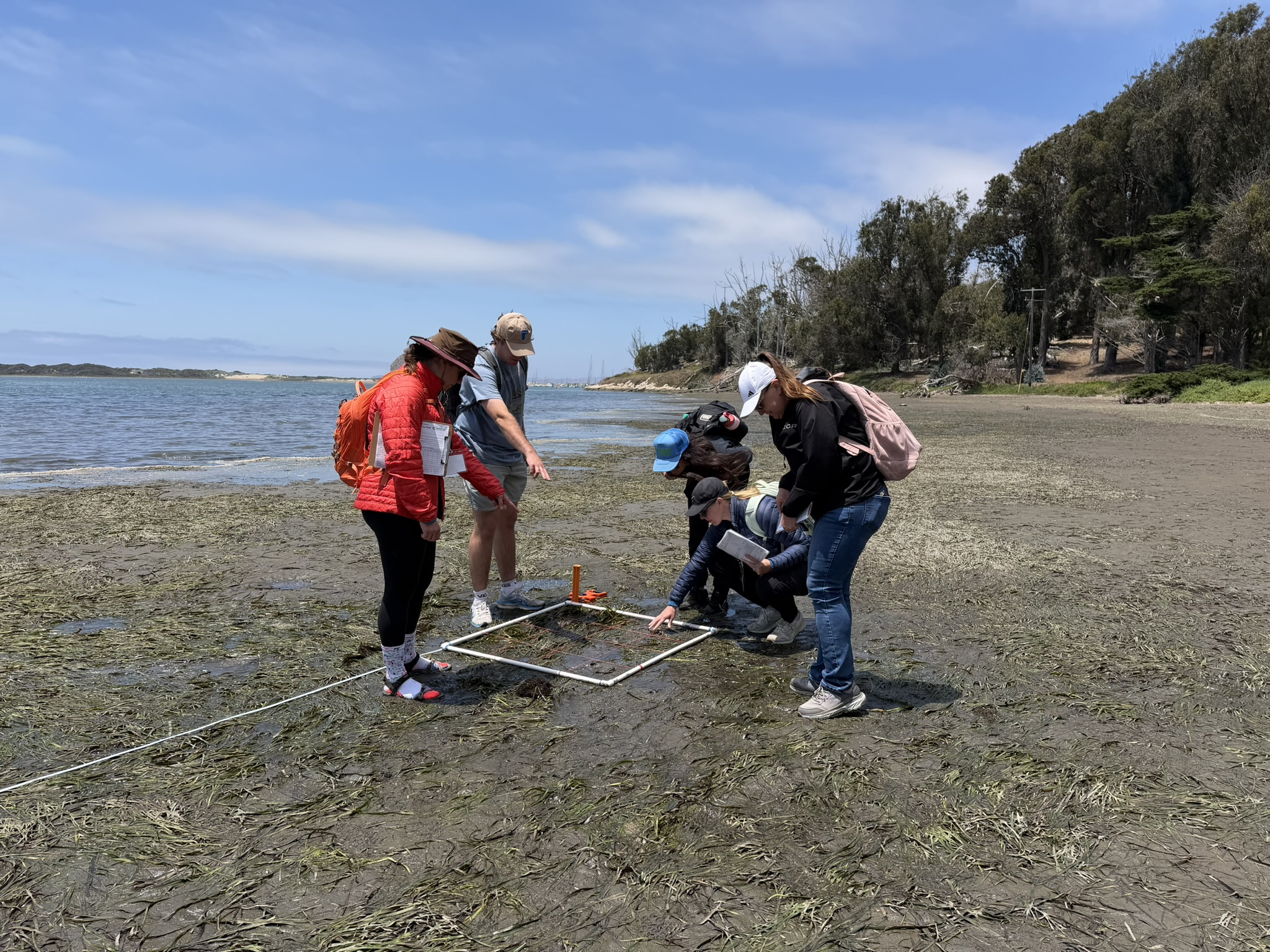
In the afternoon, participants used scientific monitoring tools to quantify bay vegetation, and State Parks interpretive staff shared information about the nearby heron and cormorant rookery.
Day Four: Bringing It All Together
The final day of the workshop focused on combining everything participants learned throughout the week to create action plans. Participants revisited the concepts learned and considered how they were connected through the lens of watersheds.
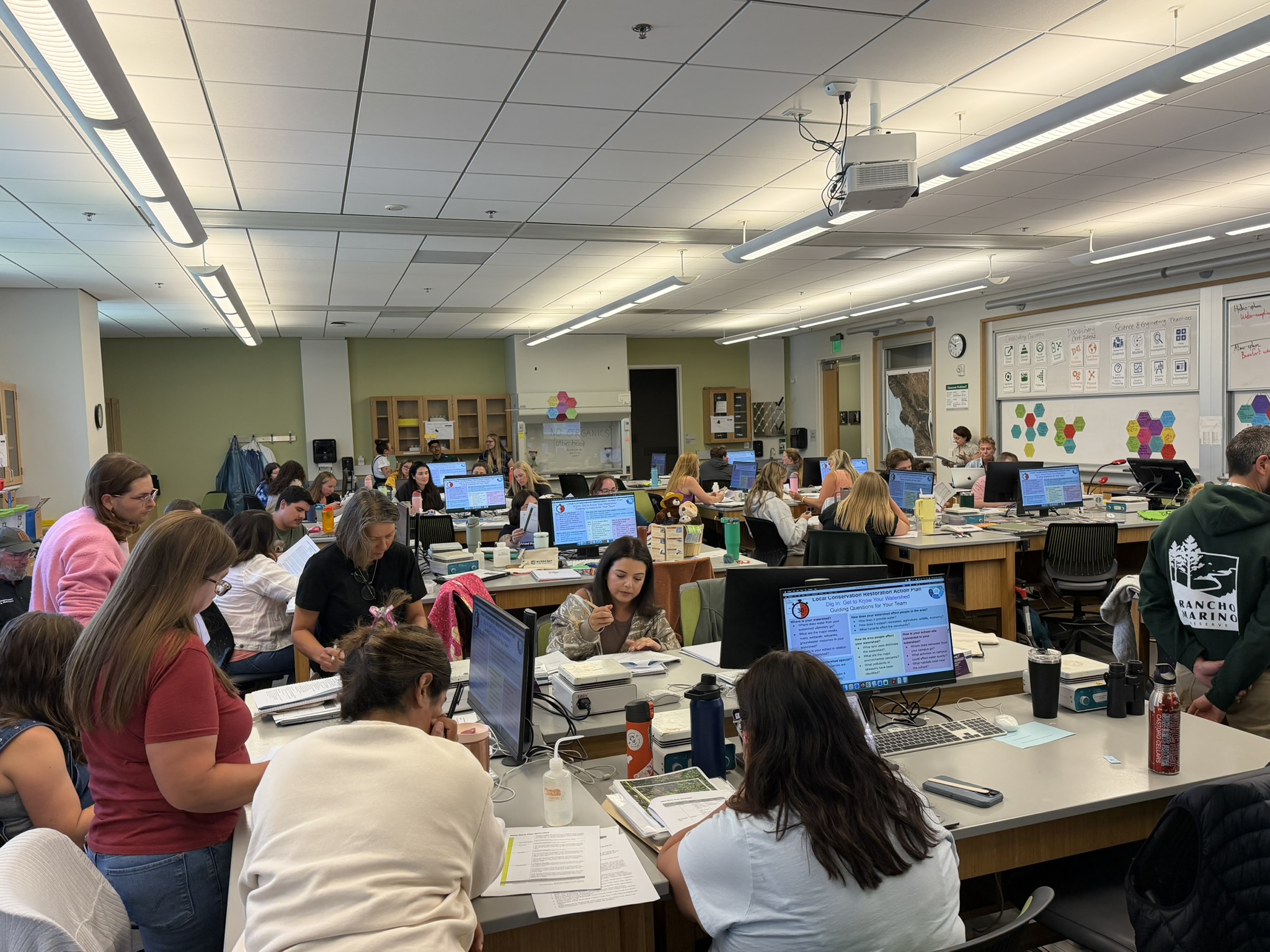
Finally, participants split into groups based on their teaching location and worked together on creating a “local conservation and restoration action plan.” They researched different environmental challenges in their local area, and came up with a plan to help address those challenges. Then each group presented their plan and received feedback from local stakeholders, including the Estuary Program.
Participants feedback was very positive, with one commenting that “getting students to be curious and seek opportunities to become changemakers is essential to being part of the solution.”
Thank You, Partners and Educators!
A heartfelt thank you to every participant who dedicated part of their summer to learning alongside us, as well as the facilitators who made this week possible. Many thanks to workshop partners including Santa Margarita Elementary School, the SLO Beaver Brigade, yak titʸu titʸu yak tiłhini Northern Chumash Tribe, the Morro Bay State Parks interpretive team, and Grassy Bar Oyster Company.
Help us protect and restore the Morro Bay estuary!
- Donate to the Estuary Program today and support our work in the field, the lab, and beyond.
The Estuary Program is a 501(c)3 nonprofit. We depend on funding from grants and generous donors to continue our work. - Support us by purchasing estuary-themed gear from ESTERO. This locally owned and operated company donates 20% of proceeds from its Estuary clothing line and 100% of Estuary decal proceeds to the Estuary Program. Thank you, ESTERO!
- Subscribe to our seasonal newsletter: Between the Tides!
- We want to hear from you! Please take a few minutes to fill out this short survey about what type of events you’d like to see from the Estuary Program. We appreciate your input!