This blog was written by One Cool Earth, a local nonprofit focused on developing lifelong wellness and environmental stewardship for families and youth through school garden programs.
Anyone who attended public school in the last 40 years probably remembers some of the landmarks: the library, the gym and sports fields, the computer lab. But did your school have a garden? The mission of One Cool Earth, founded and operating in San Luis Obispo and Northern Santa Barbara Counties, is to make gardens as commonplace on campus as libraries and computer labs. One Cool Earth currently hosts educators and maintains gardens at 70% of SLO County’s elementary schools, reaching 33 public schools in total. These gardens are used to teach science, nutrition, and environmental education while growing happy, healthy, and smart students.
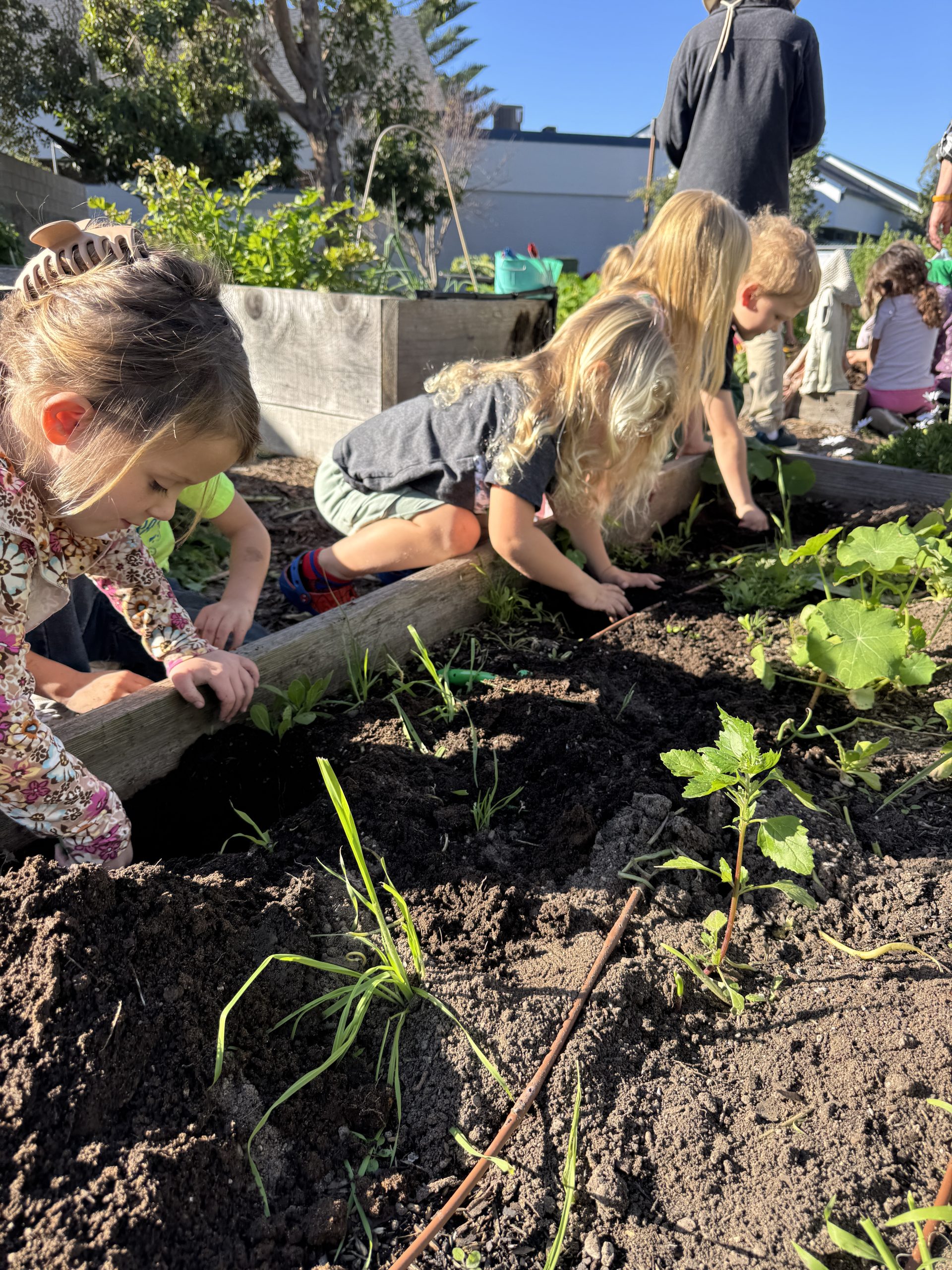
For the past couple of years, One Cool Earth has brought gardens to Monarch Grove Elementary School in Los Osos, just a few short blocks from the waters of the Morro Bay estuary. Every week, several classrooms of students venture outdoors into the garden to learn from plants, birds, bugs, and the open sky, bridging their textbook learning with lived experiences. Students also participate in planting, tending, harvesting, preparing, and, most exciting, eating veggies in the garden. More than just growing delicious organic produce, this school garden is making a difference in the health of the estuary by teaching students bay-friendly practices from a young age.
Understanding Marine Debris
Students at Monarch Grove spend some of their garden time learning about marine debris. ‘Marine debris’ is defined by the National Oceanic and Atmospheric Administration (NOAA) as ‘any persistent, human-made solid material, primarily plastic, that is deliberately or accidentally released into the ocean.’ In simple terms, it’s trash. Examples of marine debris include abandoned fishing gear, wrecked boats, and litter such as plastic bags, bottles, cigarette butts, and Styrofoam containers.
Marine debris threatens ocean health in several ways. First, marine animals such as fish, otters, seals, and whales can eat the debris, especially plastics that they may mistake for food. This can cause choking or gastric blockage. Second, wildlife can get tangled up in the waste, such as birds getting tangled up in abandoned fishing lines. Third, marine debris can displace habitat, for example, an old tire that falls to the ocean floor and crushes existing anemones, shellfish, algae, and corals.
Based on NOAA estimates, most US marine debris originates from land-based litter. Youth under the age of 19 are the most likely to litter out of any other age group. Therefore, it makes sense that teaching environmental stewardship to youth in coastal watersheds, and especially emphasizing litter, can help reduce marine debris.
The Food – Litter Nexus
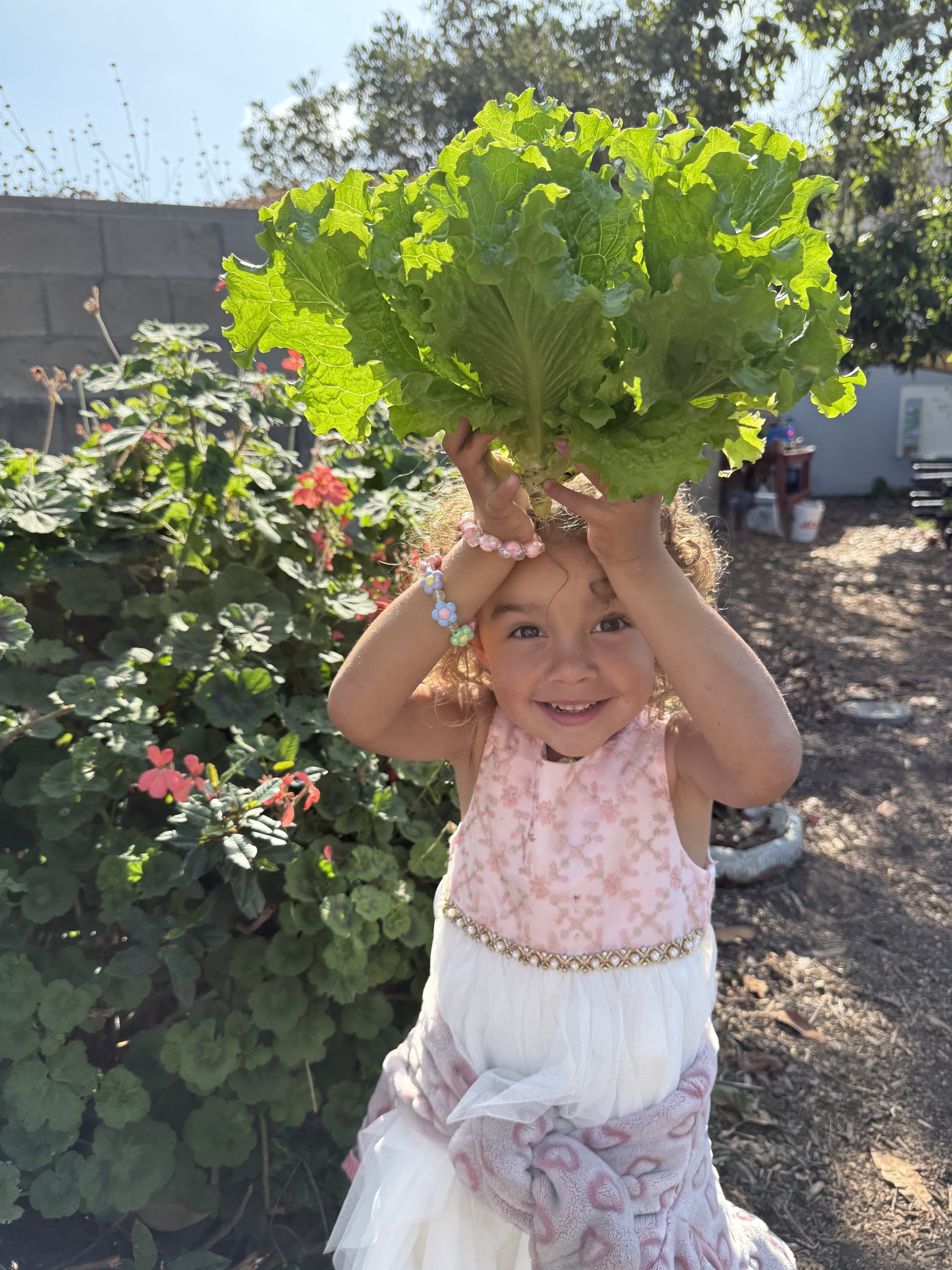
School gardens are perhaps best known as places to grow food. But food consumption habits and patterns are closely linked to litter, and One Cool Earth is working at this intersection to help people realize the link between homegrown food and reduced waste. For example, highly processed foods often come in lots of packaging compared to fresh foods. So by making healthy eating fun, engaging, and personal in the garden, One Cool Earth hopes to increase student preference for fresher foods which in turn reduces waste and possible litter from packaging. Several ways that One Cool Earth works to shift this preference include:
- Weekly lessons that involve growing plants to develop student familiarity and connection with fresh produce.
- Annual family cooking nights where students prepare meals at home with their families using a box of fresh produce provided by One Cool Earth.
- Regular tastings from the garden, where students are involved in the harvest and preparation of simple, fresh snacks.
One Cool Earth also works with students to better understand the lifecycle of waste. Lessons include topics such as:
- Decomposition, where students test how long it takes different materials to break down in the soil.
- Waste audits, where students sort what they find in the trash can, assessing whether items can be composted, recycled, or go to the landfill.
- Food webs, where students play games to see how contaminants, such as pesticides and microplastics, can enter the food chain and eventually be served to humans in fish that have bioaccumulated such contaminants.
Good, Clean Gardening
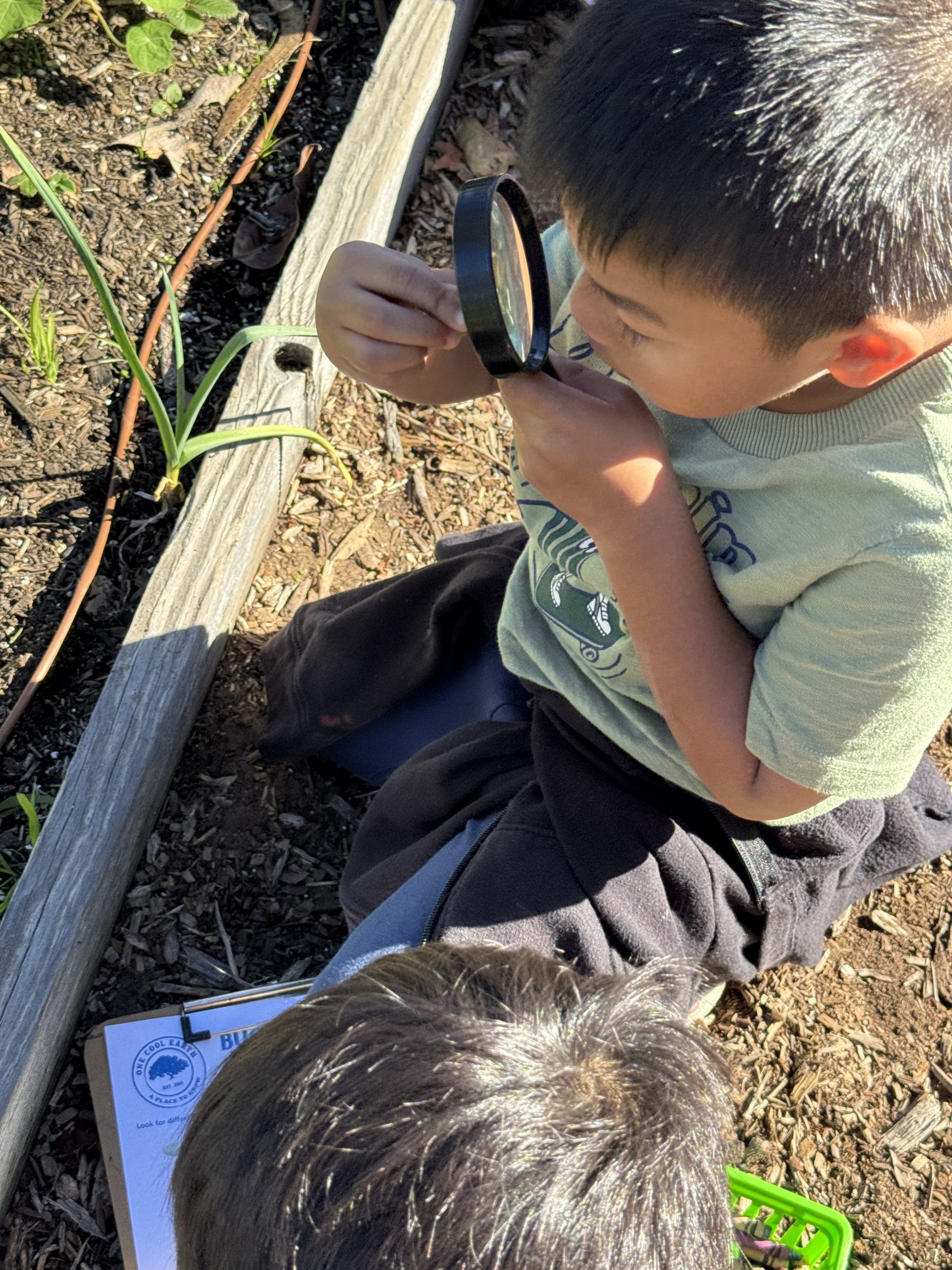
Besides marine debris, the estuary faces other threats. Fertilizers, pesticides, and sediment (soil) can run off into the bay through storm drains and tributary waterways during the rainy season. Fertilizers can cause harmful algae blooms by adding excess nutrients to the water. Pesticides may disrupt biological chemistry, enter the food chain, and become more concentrated in predators at the top of the food chain—a process called biomagnification. Furthermore, too much sediment runoff can bury habitat. Students at Monarch Grove learn about these impacts as they undertake organic gardening practices. Our school garden utilizes only natural fertilizers, mainly compost, which is much less likely to run off in a rain event. We also use natural pest control practices, like increasing habitat for predatory insects that feed upon pests, such as ladybugs that eat aphids. Students themselves are great at pest control and often pick cabbage moth larvae off our brassicas (broccoli, kale, cauliflower). We also use mulch, such as woodchips and straw, to reduce erosion of soil which could potentially wash into the bay. In addition to implementing these sustainable gardening practices, students learn about them in various lessons that focus on watershed health.
Compost, Incoming!
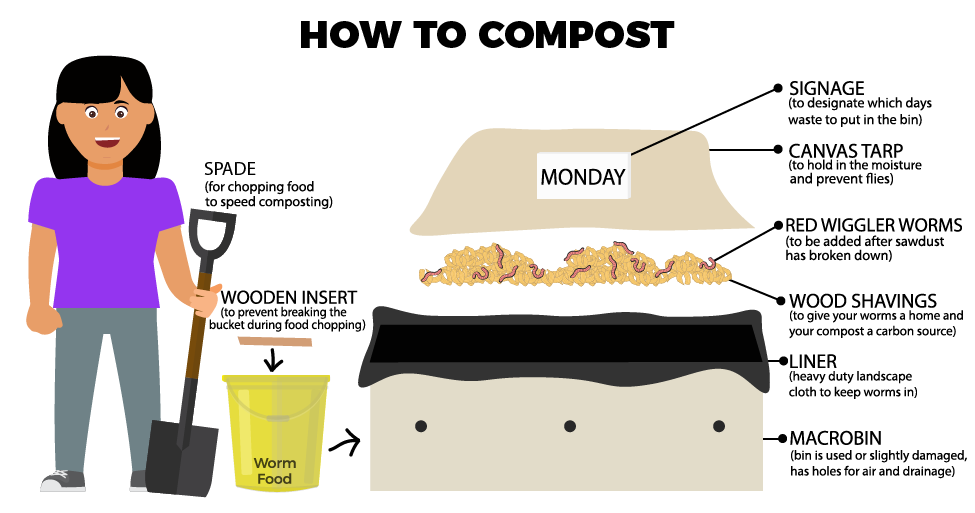
To help our garden, the bay, and student learning, One Cool Earth has started a composting system at the school where students gather leftover lunch waste and feed it to worms in the school garden. The worms consume bacteria on rotting food and make high-nutrient worm poop, also known as worm castings. We use this organic fertilizer on our veggies in the school garden, closing the waste loop. While our system is just getting started, we hope to eventually be able to process most of the school’s lunch waste, keeping it out of the landfill where it may generate harmful greenhouse gases, indirectly affecting the bay’s health.
For more information about One Cool Earth and how to get involved, please visit www.onecoolearth.org and www.instagram.com/onecoolearth
References:
NOAA Marine Debris Program, “An Analysis of Marine Debris in the US.” https://marinedebris.noaa.gov/reports/analysis-marine-debris-us Accessed: 10 January 2022.
Keep America Beautiful, “Littering Behavior in America.” https://site.extension.uga.edu/kbb/files/2022/10/Keep-American-Beautiful-2009-litter-study.pdf Accessed: 10 January 2022.
Help us protect and restore the Morro Bay estuary!
- Donate to the Estuary Program today and support our work in the field, the lab, and beyond.
The Estuary Program is a 501(c)3 nonprofit. We depend on funding from grants and generous donors to continue our work. - Support us by purchasing estuary-themed gear from ESTERO. This locally owned and operated company donates 20% of proceeds from its Estuary clothing line and 100% of Estuary decal proceeds to the Estuary Program. Thank you, ESTERO!
- Subscribe to our seasonal newsletter: Between the Tides!
- We want to hear from you! Please take a few minutes to fill out this short survey about what type of events you’d like to see from the Estuary Program. We appreciate your input!