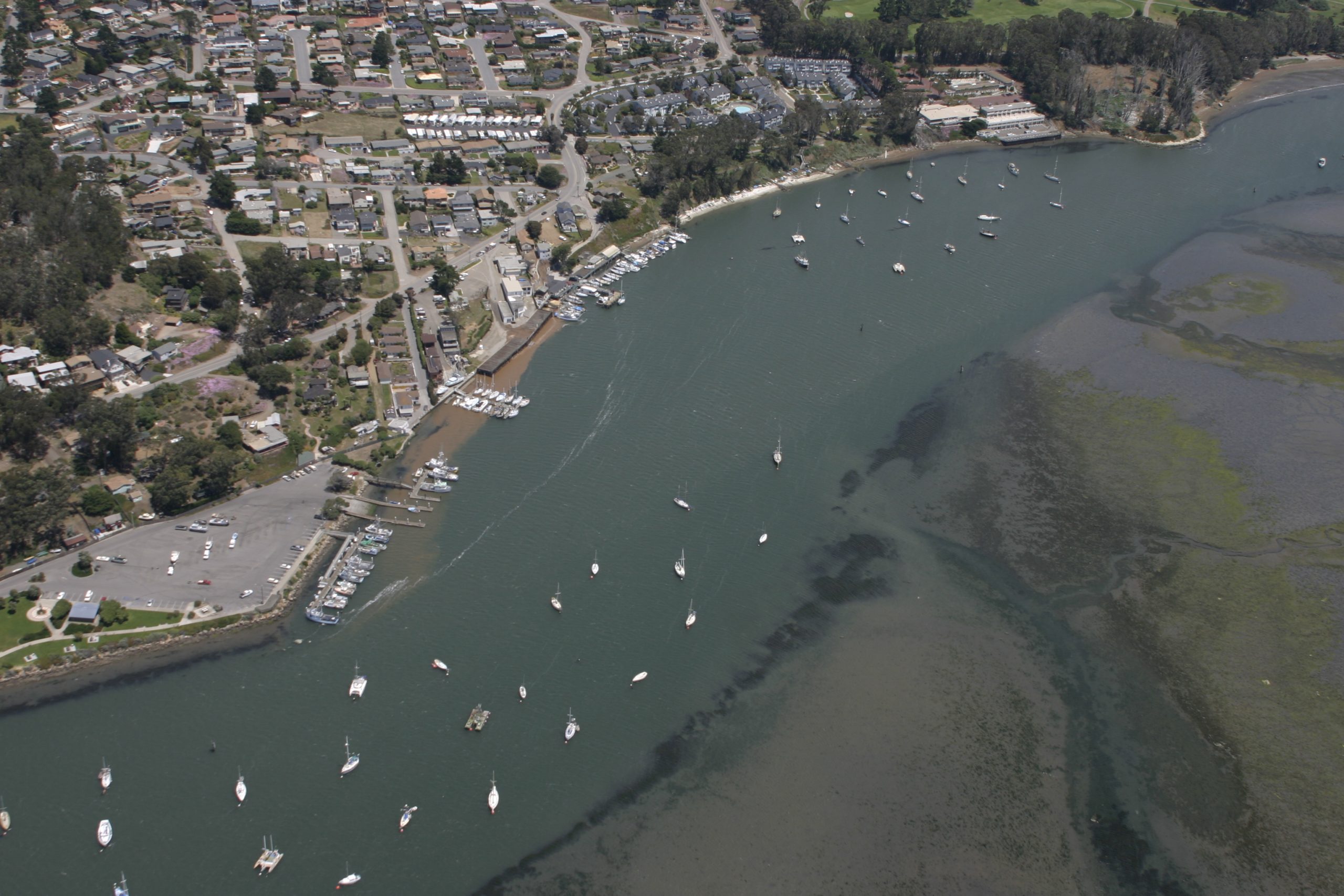
Sailing in waterways such as Morro Bay can be a great way to have fun outdoors and connect with nature. When enjoying time on the water, it’s important to recreate responsibly, respect wildlife, and minimize environmental impact. This blog gives tips and best practices for eco-friendly boating in Morro Bay and beyond.
Keep Your Boat Clean & Maintained
Keeping your boat clean is one way to have a positive impact on waterways, especially in sensitive areas like Morro Bay. Boats should be cleaned, drained, and dried every time they are removed from the water. If done correctly, this procedure can help prevent the spread of invasive aquatic species such as zebra mussels. Click here to read the US Fish & Wildlife Service’s recommended ‘clean-drain-dry’ protocol. If you think you’ve found an invasive species on your boat or in the water, you can report it to the US Geological Survey.
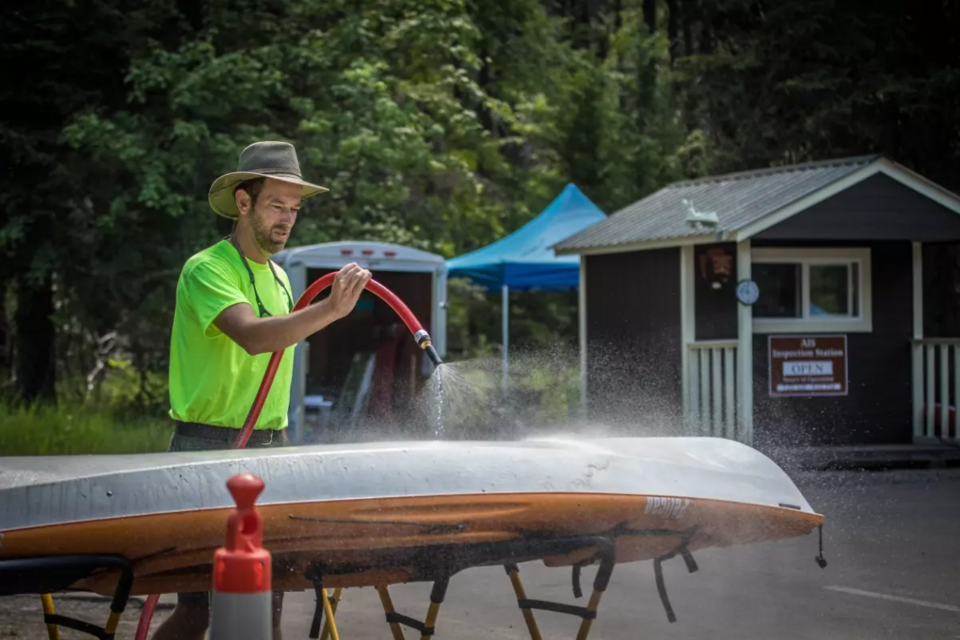
Cleaning and drying boats also provide a great opportunity to check your hull and engine parts for cracks or leaks. Oil, gas, or sewage leaks that go unnoticed or unrepaired can negatively impact aquatic flora and fauna.
Making environmentally friendly upgrades to your boat is another way to reduce impact on waterways. Some companies make boat paints and finishes that are metal-free and anti-fouling, so that they are better for the environment than traditional coatings. In addition, advancements in battery technology have made electric and hybrid boat engines more comparable to gas or diesel engines in terms of power and distance. Electric and hybrid boat engines also have a lower risk of fuel spills and lower use of fossil fuels overall. Some companies may even offer rebates for electric boat engine purchases or upgrades.
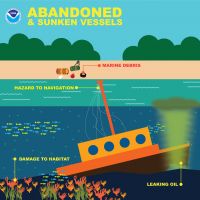
If you are no longer able to care for your boat, please dispose of it responsibly. The CA State Parks Department of Boating and Waterways website has information on how to surrender an unwanted boat. Abandoned and derelict vessels (ADVs) can threaten environments by polluting water and blocking waterways. They can also be an eyesore for other boaters and people trying to enjoy coastal areas. Removing abandoned boats is expensive and difficult, especially if they have already begun to deteriorate. If you suspect a vessel has been abandoned, please report it to your local marine authorities. You can learn more about ADVs from NOAA or the CA State Lands Commission.
Properly Manage Waste Onboard
Another important aspect of eco-friendly boating is waste management. Improperly managed waste like trash and sewage can pollute waterways and make it difficult for wildlife to survive.
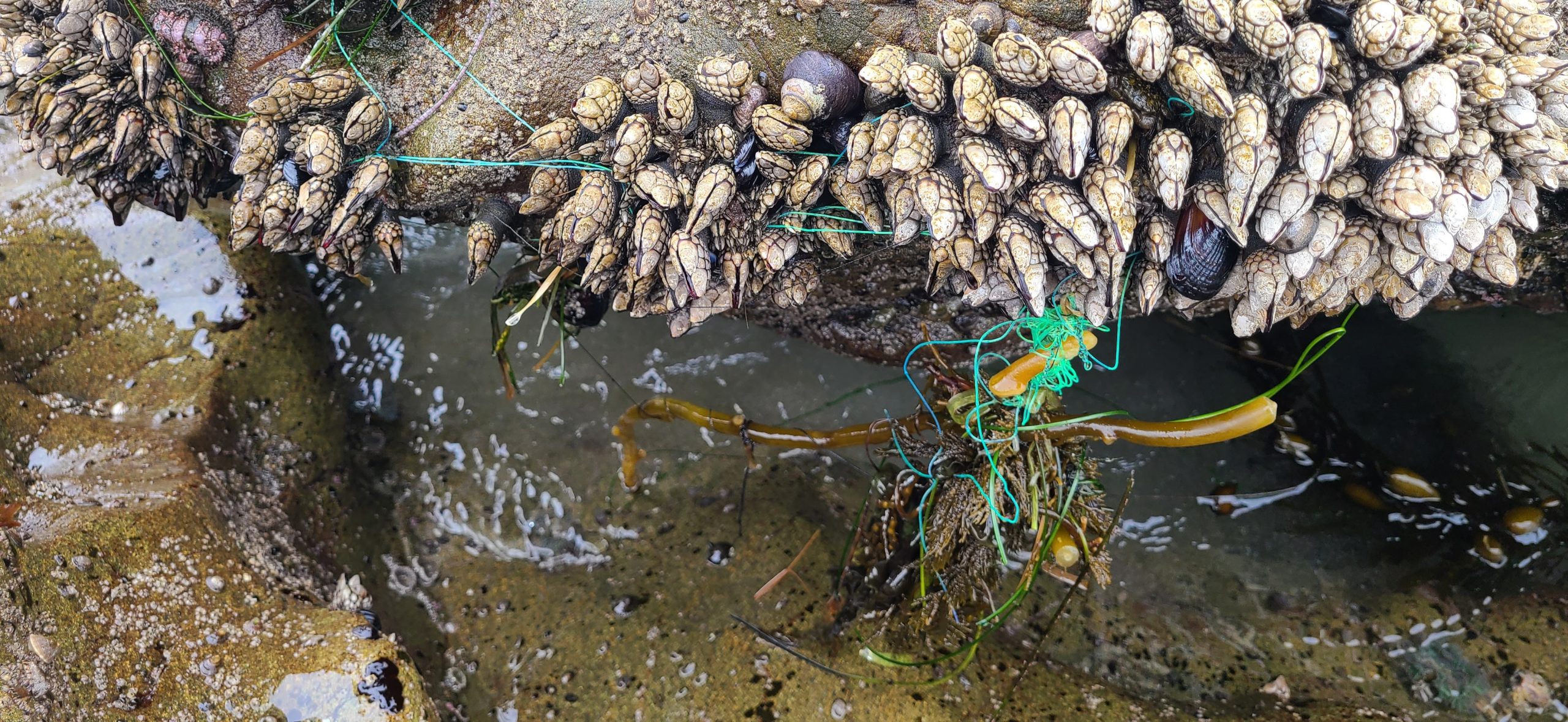
When possible, try to minimize the number of disposable items, especially single-use plastics, aboard your vessel. While plastic can be a cheap, lightweight, and durable material to use on your boat, it’s also a huge source of aquatic pollution. Researchers at the University of Cadiz collected 12 million marine debris items and found that 80% were made of plastic. Consider using items made from natural materials instead of plastic and keep your trash tightly contained within your boat to avoid accidental littering when out on the water.
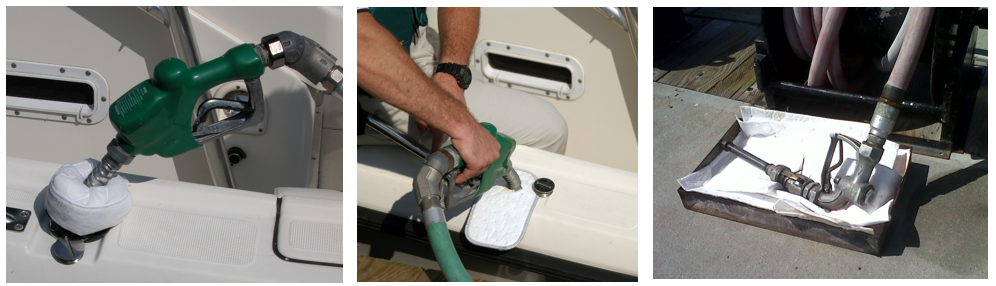
It’s also important to take care when fueling your boat. Spilled gas can spread across the surface of the water, impacting plants, algae, and wildlife. Gasoline can seep into soil, where it can harm wildlife such as worms, clams, and other invertebrates. It can also soak into groundwater reserves. Fuel bibs, donuts, and similar devices can help prevent fuel spills while on the water. Learn more about safe fueling practices at the BoatUS Foundation website.
Respect Wildlife
Being on a boat can be a great way to observe wildlife not normally visible from shore, such as marine mammals, fish, and seabirds. It’s important to respect aquatic and marine wildlife just like you would terrestrial animals. Sailing too close to animals can cause unnecessary stress and may cause wildlife to leave an area. This can burn precious calories and cause them to potentially abandon a food source or rest area.
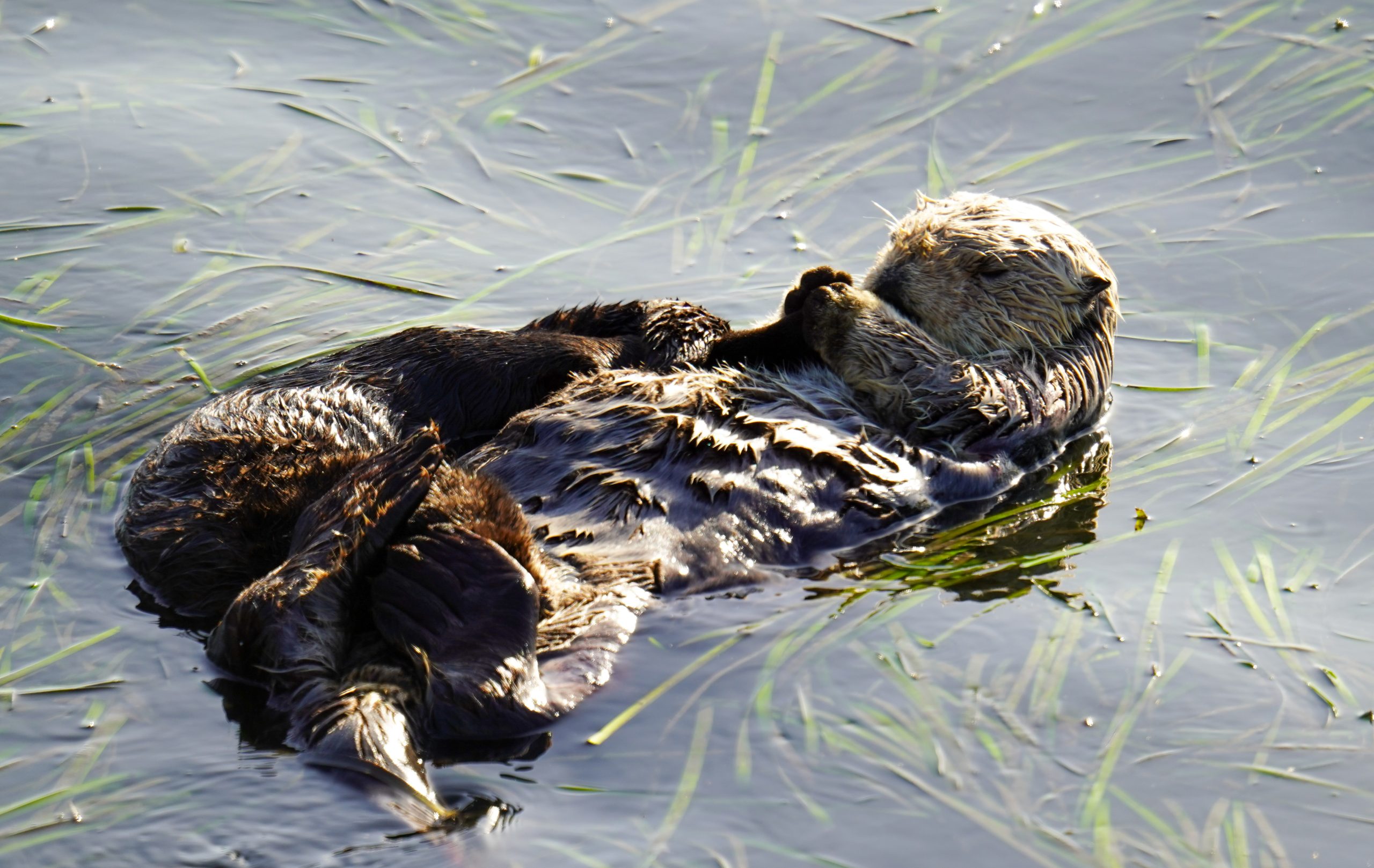
Viewing guidelines for animals such as marine mammals and sea turtles vary depending on species, location, and time of year. In general, NOAA recommends staying at least 100 yards away from whales and at least 50 yards away from dolphins, porpoises, seals, sea lions, and sea turtles. Sea Otter Savvy recommends giving sea otters at least 100 feet of space. Some species such as orcas and North Atlantic right whales require even more distance, so be sure and check guidelines before you go out.
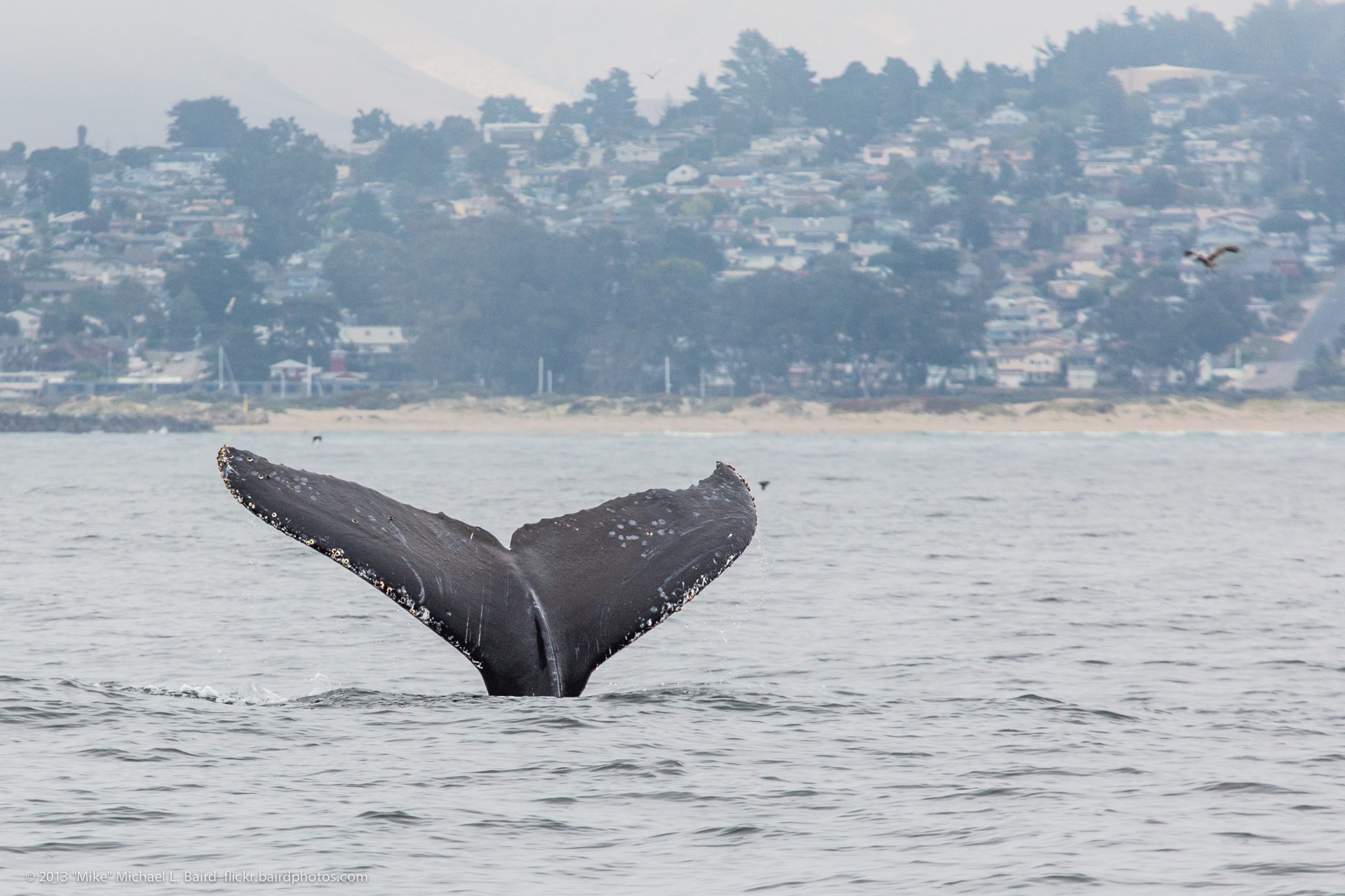
You can also respect wildlife by limiting viewing time to 30 minutes, avoiding wildlife if other boats are already nearby, and avoiding excessive speed or direction changes when near wildlife. If wildlife appears disturbed or agitated by your presence, slowly change course and leave them alone.
If you see a sick, entangled, beached, or dead marine mammal, report it to NOAA or another agency. You can read this blog post from 2025 for more information on how to report sick, injured, or dead wildlife.
Following these simple practices can help reduce your impact and protect the water and wildlife that make Morro Bay such a special place.
Resources:
City of Morro Bay Harbor rules and regulations
https://www.marinebio.org/conservation/sustainable-ecotourism/eco-friendly-boating/
Help us protect and restore the Morro Bay estuary!
- Donate to the Estuary Program today and support our work in the field, the lab, and beyond.
The Estuary Program is a 501(c)3 nonprofit. We depend on funding from grants and generous donors to continue our work. - Support us by purchasing estuary-themed gear from ESTERO. This locally owned and operated company donates 20% of proceeds from its Estuary clothing line and 100% of Estuary decal proceeds to the Estuary Program. Thank you, ESTERO!
- Subscribe to our seasonal newsletter: Between the Tides!
- We want to hear from you! Please take a few minutes to fill out this short survey about what type of events you’d like to see from the Estuary Program. We appreciate your input!